
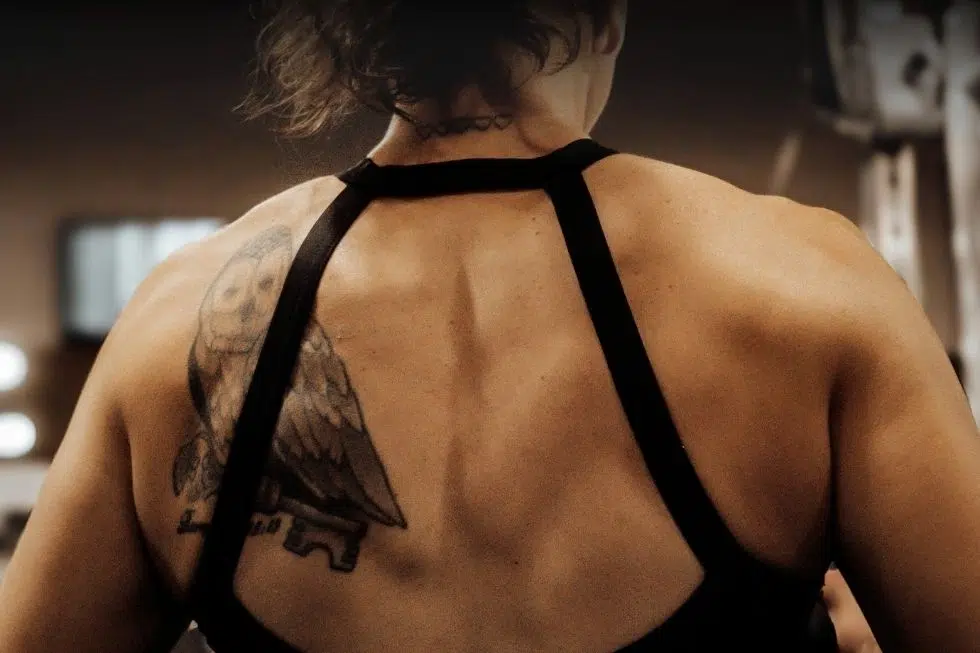
So you’ve finally done it. You walked out of your tattoo session buzzing, skin wrapped, already planning your next gym session. But here’s the thing everyone needs to know about working out after a tattoo: jumping back in too soon can genuinely wreck your new ink, and in some cases, your health too.
Whether you’re into Pilates, lifting, swimming, or hot yoga, this guide walks you through exactly how to work out after getting a tattoo, week by week, so you can get back to training without compromising your body art.
And if you’re here in Melbourne getting inked at Art N Soul, this one’s especially for you.
Why Exercise Affects Tattoo Healing
Before you work out after getting a tattoo, you need to understand what’s actually happening under the skin.
Sweat, Friction and Bacteria
A fresh tattoo is, medically speaking, an open wound. The tattooing process creates thousands of tiny puncture marks in the dermis, and your immune system immediately kicks into gear to begin healing that damaged skin.
Now throw exercise into the mix. Sweat can irritate a new tattoo because it creates a warm, moist environment that bacteria thrive in. The salt content alone can cause stinging on raw skin, and sweat can irritate the area further if it sits on the surface too long. Heavy sweat plus an open skin wound is a combination your tattoo artist would not recommend.
There’s also the issue of gym equipment. Research has found that a high percentage of gym equipment surfaces test positive for Staphylococcus aureus, a common cause of skin infections. For anyone with a healing tattoo pressing against a bench or mat, that’s a real risk worth taking seriously.
How Blood Flow Impacts Ink Settling
Intense exercise increases your heart rate and blood flow, which can cause fresh ink to spread beyond the tattooed area, blurring crisp lines in a process known as ink blowout. Friction from tight clothing rubbing against the tattooed area can also pull at the scab forming over the new skin, leading to patchy colour and ink loss.
Studies suggest that up to 6% of people experience infectious complications during the tattoo healing process, which is exactly why respecting the healing process matters so much.
The First 48 Hours: Total Rest
The day after getting a tattoo is not the time to hit the gym. Full stop.
In the first 48 hours, your skin is at its most vulnerable. The tattooed area will likely be swollen, tender, and weeping plasma as part of the normal healing response. Strenuous physical activity at this stage risks:
- Excessive sweating that saturates the fresh tattoo
- Tight clothing rubbing against the open wound
- Contaminated gym equipment coming into contact with open skin
- Increased blood flow disrupting ink that hasn’t yet settled
Rest. Hydrate. Let your body do what it’s designed to do. This is the time to focus on your tattoo aftercare, not your personal best.
Days 3 to 7: Gentle Movement Only
By day three, the initial inflammation starts to settle and your tattoo begins forming a protective scab. You’re not ready to hit the weights, but you don’t have to be completely sedentary either. Wait before working your way back to full training, though. Your skin is still actively healing.
Walking, Stretching and Light Mobility
Low-intensity movement that avoids the tattooed area is generally fine from around day three:
- Walking at a comfortable pace
- Gentle stretching, avoiding anything that pulls or stretches the skin around the tattoo
- Light mobility work, as long as it doesn’t cause excessive sweating
The key rule is to avoid any exercise that makes you sweat heavily or requires clothing that rubs against the new ink. If your back tattoo is going to press against a mat or a gym seat, skip it.
Activities to Avoid This Week
During days three to seven, keep away from:
- Weight lifting that targets or strains the tattooed area
- Any cardio that causes heavy sweat
- Contact sports or activities involving friction
- Hot yoga, saunas, steam rooms, or anything that significantly raises your body temperature
- Swimming in pools, the ocean, or any body of water
Week 2: Returning to Low-Impact Training
By the start of week two, your tattoo should have moved through its initial peeling phase. The scab may be flaking naturally (do not pick it), and new skin is beginning to form underneath. You can cautiously start returning to the gym, with modifications.
Pilates and Reformer Classes
Pilates after a tattoo is one of the safer options in week two, but with conditions. Low-impact reformer work or mat Pilates is generally fine as long as:
- The tattooed area is not pressed against the reformer or mat
- You are not in a position that stretches the tattooed skin significantly
- You are keeping the tattoo clean and dry after class
Melbourne Pilates studios are notoriously warm (a feature, not a bug), so be mindful of how much you’re sweating. Wash the tattoo gently with unscented soap as soon as you finish your session.
Light Cardio and Cycling
Stationary cycling or light cycling outdoors can work in week two, provided:
- Your tattoo is not on an area that makes contact with the seat or clothing
- You are keeping intensity moderate, heavy sweating should still be avoided
- You wash and dry the tattooed area immediately after
Weeks 3 to 4: Resistance and Weight Training
This is the stage most people are waiting for. By weeks three to four, the surface of your tattoo should look largely healed, though deeper skin layers continue healing for up to three months beneath what you can see.
While a tattoo might appear fully healed on the surface, deep tissue healing can take up to six months.
You can return to resistance and weight lifting, but be smart about it:
| Tattoo Location | Training Adjustment |
| Arm or wrist | Avoid heavy bicep curls, pull exercises on that arm until week 4 |
| Back tattoo | Skip bench press or any direct back contact with equipment |
| Leg or thigh | Avoid heavy squats and leg press friction until surface is sealed |
| Chest | Avoid movements that stretch the skin across the chest |
| Ribcage | Take extra time, this area moves constantly with breathing |
Start lighter than usual. Increase intensity gradually. If the tattoo feels tight or painful during a movement, that is your body telling you to stop.
When You Can Swim, Surf or Use a Spa
This is where Australians really feel the pressure, especially in Melbourne over summer, with Port Phillip Bay calling and a full gym membership to a complex with a pool. Here is the reality.
-
Pool Chlorine vs Ocean Salt Water
Both are problematic for a healing tattoo, but for slightly different reasons.
Chlorine can leach ink from the skin before it has properly settled, leaving the tattoo less vibrant and harder to heal. Chemically treated pools also expose your open skin to bacteria that chlorine alone does not eliminate. The general guidance from most tattoo artists is to wait at least four weeks before swimming in a pool.
Chlorine and saltwater can cause moisture loss, dehydration, and scabbing, which can affect the appearance and healing of your tattoo. Ocean water and natural bodies of water carry their own bacterial load, and while some people assume salt water is healing, it is actually too harsh for a fresh tattoo. Most artists recommend waiting four to six weeks before surfing or swimming in the ocean.
A summary of water-related waiting times:
| Activity | Minimum Wait |
| Chlorinated pool | 4 weeks minimum |
| Ocean or surf | 4 to 6 weeks |
| Hot tubs or spas | 6 weeks minimum |
| Lakes and rivers | 4 to 6 weeks |
Why Sauna and Steam Rooms Wait the Longest
Sauna and steam rooms combine two things your healing tattoo cannot handle: extreme heat and prolonged moisture. The heat expands your pores and can draw ink to the surface, while the steam creates a humid environment where bacteria thrive.
Most experienced Melbourne tattoo artists recommend waiting at least six weeks before sauna use. When you do return, keep sessions short and always shower gently immediately after.
Hot Yoga, CrossFit and High-Sweat Workouts
Hot yoga and CrossFit are two of the most popular fitness formats in Melbourne right now, and both are challenging to square with tattoo recovery.
Hot yoga involves sustained heat, intense sweating, and deep stretching of the skin. CrossFit involves friction, high-intensity intervals, and equipment contact. Both of these should wait until your tattoo is fully healed, which in practice means a minimum of four weeks for smaller pieces, and up to six weeks for larger tattoos.
If you are a regular at either and cannot bear the wait:
- Focus sessions entirely on body parts away from your new ink
- Keep a clean towel between your tattoo and any equipment or mat
- Wash the tattoo immediately after any session
- Stop if the tattooed area stings or feels irritated
Tattoo Placement and Workout Compatibility
Tattoo placement has a significant impact on how quickly you can return to specific exercises. Here is a quick reference:
| Placement | Most Affected Exercises | Recommended Extra Rest |
| Inner arm or elbow | Curls, pull-ups, rows | 1 to 2 extra weeks |
| Ribcage or side | Almost all core work | 1 to 2 extra weeks |
| Behind the knee | Leg press, cycling, running | 2 extra weeks |
| Back | Bench press, rows, mat work | 1 extra week |
| Chest | Press movements, push-ups | 1 extra week |
| Ankle or foot | Running, cycling | 2 extra weeks, high friction zone |
Larger tattoos also mean a larger surface area of open skin, which means a longer overall healing window. A full sleeve or a large back piece will need more recovery time than a small wrist tattoo.
Signs You’re Returning to Exercise Too Soon
Working out too soon is one of the more common ways people compromise a healing tattoo. Watch for these warning signs:
- The tattooed area feels hot to the touch after exercise
- Redness or swelling is increasing rather than decreasing
- The scab is cracking or lifting from friction or stretch
- You notice unusual discharge or an unpleasant smell from the tattoo
- The outline of your tattoo looks blurred or the ink appears to be spreading
- You develop a fever or flu-like symptoms (see a doctor immediately if this occurs)
These are signs of infection or significant irritation. If any of these occur, stop exercising entirely and contact your tattoo artist or a healthcare professional. Signs of infection should never be ignored. In Melbourne, your Art N Soul artist is always happy to take a look if something does not feel right.
Quick-Reference Timeline
| Timeframe | What You Can Do |
| Days 1 to 2 | Rest completely, focus on aftercare |
| Days 3 to 7 | Walking, light stretching, no sweat |
| Week 2 | Pilates, light cardio, avoid tattooed zones |
| Weeks 3 to 4 | Weights and resistance training with modifications |
| Week 4 plus | Swimming in pools, ocean, surfing |
| Week 6 plus | Saunas, steam rooms, hot tubs |
Frequently Asked Questions
1. How long should you wait before returning to the gym after getting a tattoo?
Wait at least 48 hours before any light exercise, and a full week before anything that causes heavy sweat or friction on the tattooed area.
2. Can sweat ruin a new tattoo?
Excessive sweating can irritate a healing tattoo, promote bacterial growth, and contribute to ink loss or blurring if it sits on fresh ink for extended periods.
3. When can I swim after getting a tattoo in Melbourne?
Wait at least four weeks for pools and four to six weeks for the ocean or surf. Hot tubs and spas need the longest break, around six weeks minimum.
4. Is Pilates safe after getting a tattoo?
From week two onwards, low-intensity Pilates is generally fine as long as the tattooed area is not being stretched, pressed, or exposed to excessive sweat.
5. Can I do CrossFit or hot yoga with a healing tattoo?
Not safely. Both involve high heat, heavy sweating, and skin friction that can damage a healing tattoo. Wait until your tattoo is fully healed, at least four to six weeks depending on size and location.