
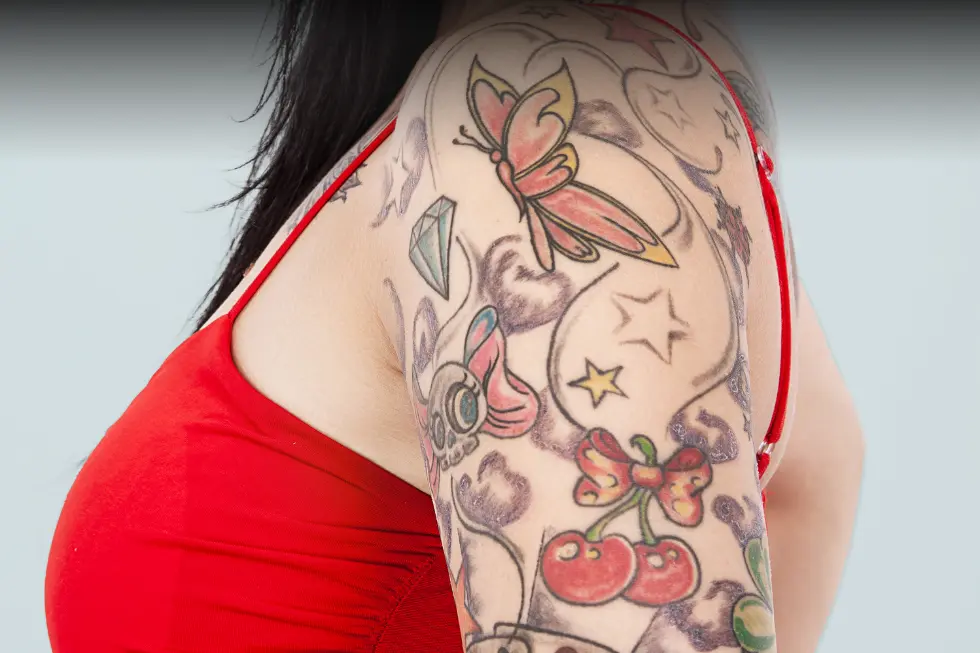
You got that tattoo years ago and loved it. But lately, you’ve noticed the colours aren’t as punchy, the lines have softened, and it just doesn’t look the way it used to. Sound familiar? You’re not alone.
Most touch-up content out there focuses on fresh tattoos, those early fixes done within the first year of getting inked. But what about old tattoos? The ones you’ve had for five, ten, or even fifteen years? That’s a different question entirely, and it’s one a lot of Aussies are quietly asking.
This guide walks you through everything you need to know: how tattoos age, when a touch-up makes sense, when it doesn’t, and how to keep your refreshed ink looking its best for years to come. If you’ve got an old tattoo sitting somewhere between “still love it” and “what happened to it,” keep reading.
How Tattoos Age: What’s Actually Happening Under the Skin
Every tattoo fades. That’s not a flaw, it’s just biology. Understanding why helps you make smarter decisions about what to do next.
When a tattoo artist goes to work, the ink is deposited into the dermis, the second layer of skin beneath the surface. Over time, a few things happen:
- Ink migration: Loose ink particles slowly drift deeper into the dermis, causing lines to soften and blur.
- UV damage: Sun exposure can degrade ink particles, and this is one of the primary causes of colour loss over time. In Australia, where UV levels are consistently high year-round, this happens faster than in many other parts of the world.
- Skin changes: As skin thins, loses elasticity, and accumulates sun damage over the years, the tattoo’s surface appearance shifts too. Weight fluctuations can stretch or distort the design.
- Immune response: Immune cells in the dermal tissue, known as macrophages, take up ink particles, and over the years, their activity can contribute to gradual fading.
Watercolour tattoos, in particular, fade two to three times faster than traditional styles because they lack bold outlines, and many can become unrecognisable within ten to fifteen years.
The good news? Sun protection alone can extend a tattoo’s life by ten to fifteen years, and combined with periodic touch-ups, tattoos can look great for fifty-plus years.
Signs an Old Tattoo Might Benefit from a Touch-Up
Not every ageing tattoo needs work. But there are some clear signals that your tattoo needs a touch-up and could genuinely benefit from a refresh:
| Sign | What It Means |
| Faded colour | Pigment has broken down, especially from UV exposure |
| Blurred or soft lines | Ink has migrated into the dermis over time |
| Patchy areas | Ink didn’t hold evenly, common in older work |
| Dull black ink | Black has shifted to grey or charcoal |
| Loss of fine detail | Especially common in script and fine-line tattoos |
UV rays break down the pigments in tattoo ink, causing them to fade, blur, or even change colour, and all pigments are susceptible regardless of the style of tattoo.
Fine line tattoos are particularly vulnerable. Because they rely on precise, delicate linework rather than bold lines, even minor migration can make a tattoo look blurry or aged much faster than a traditional piece.
If your tattoo still has a clear, recognisable design but just looks tired, a touch-up is likely all it needs. If the lines have spread significantly or the overall design has become hard to read, that’s a different conversation.
When a Touch-Up Is a Good Investment
A tattoo touch-up is worth doing when:
- The overall tattoo design is still solid and well-executed
- You still love the piece and want to keep wearing it proudly
- The tattoo is in a visible placement (arms, chest, neck) where tattoo fading is noticeable every day
- Fading is the main issue, rather than fundamental problems with the original work
- You’re committed to proper aftercare this time around, because a refreshed tattoo needs the same attention as a new one
If all of those boxes are ticked, a touch-up can genuinely breathe new life into your tattoo and restore its original beauty. Clients who have had their work refreshed at Art n Soul often describe it as feeling like they got the tattoo redone, without the commitment of starting from scratch.
There’s no strict timeline for when a tattoo needs refreshing. It depends on placement, skin type, how much sun exposure the area has had, and the style of the piece. That said, many people find their old ink benefits from a look-in every 5-10 years, particularly for pieces in high-sun areas.
When a Rework or Redesign Might Be Better
Sometimes a touch-up isn’t the right answer. Here’s when to consider going further:
- The lines have blurred beyond recovery: If the original tattoo’s linework has spread significantly, re-inking over the top may not produce a clean result. A rework or even a cover-up might be the better path.
- You’ve outgrown the design: Tastes change. If the tattoo no longer feels like you, a rework reimagines the piece rather than just restoring it.
- The existing tattoo has multiple issues: Patchy colour, blurred lines, and faded detail all at once may mean that addressing them one at a time won’t give you a satisfying result.
- The original work was of poor quality: If the tattoo was done by an inexperienced artist, the foundations may not support a simple colour refresh.
The way to think about it: a touch-up restores, a rework reimagines. Both are completely valid options, and both can produce results you’ll love. A good tattoo artist knows which approach will actually serve the existing tattoo well, rather than just what’s quicker.
For a detailed breakdown of the difference, check out our article on Touch-Up vs Tattoo Rework.
What to Expect from the Tattoo Touch-Up Process
Here’s how the tattoo touch-up process typically works for an older piece:
Step 1: Assessment. Your tattoo artist goes over the piece closely, looking at line quality, colour loss, and any patchy areas. This is where they’ll advise honestly on whether a touch-up will achieve what you’re hoping for, or whether a rework would give better results.
Step 2: Planning the session. Based on the size and condition of the piece, your artist will map out what needs attention. A tattoo artist’s skill is the most important factor in the outcome, as proper ink depth, pressure, and saturation are skills developed over time. For an older tattoo, an experienced artist adjusts their technique accordingly, because older skin behaves differently to freshly tattooed skin.
Step 3: The session itself. Touch-up sessions on older tattoos vary in length based on the size of the tattoo touch-up required. A small refresh might take 30 minutes to 2 hours, while a more involved rework can take longer.
Step 4: Healing. Here’s some good news: the healing process for a touch-up on an old tattoo is typically faster than your original healing. The area isn’t being tattooed from scratch, and your skin is familiar with the process. Still, proper aftercare applies just as it did the first time.
Step 5: The result. A well-executed refresh can dramatically restore the original intention of the piece. Tattoo touch-up costs vary based on the size and complexity involved, so it’s worth getting an assessment first.
Tattoo Styles and How They Age Differently
Not every tattoo ages the same way. Here’s a quick comparison:
| Tattoo Style | How It Ages | Touch-Up Frequency |
| Traditional / Old School | Ages well, bold lines hold definition | Less frequent |
| Fine line / Script | Shows age quickly, lines blur | More frequent |
| Watercolour | Fades fastest, lacks outlines | Most frequent |
| Black and grey | Gradual greying, holds detail well | Moderate |
| Neo-traditional | Good longevity with proper care | Moderate |
Artists create a border around colour details with black linework to prevent ink migration and colour blurring, which is why traditional tattoo styles tend to age more gracefully.
The Maintenance Mindset: Protecting Your Refreshed Ink
Getting a touch-up is one thing. Keeping your tattoo looking its best afterwards is another. Here’s what actually works:
- Sun protection is non-negotiable
UV exposure remains the biggest factor in how tattoos age, and even on cloudy days, UV rays continue to cause invisible damage under the surface. Once your touch-up has fully healed, apply SPF 50+ sunscreen to any sun-exposed tattoo as part of your daily routine. Think of it as part of maintaining the investment you’ve just made.
Most tattoo artists advise avoiding sun exposure while a tattoo heals, generally for about three weeks. After that, sunscreen every single day.
- Moisturise regularly
Keeping your skin healthy and hydrated helps keep your ink vibrant. Dry, cracked skin accelerates fading and can make even a fresh touch-up look tired faster than it should.
- Protect your skin in the long term
The oldest tattooed people, those with sixty to eighty years of ink, maintain stunning pieces through religious sun protection, a healthy lifestyle, and periodic touch-ups every ten to fifteen years.
Here’s a simple aftercare checklist for your refreshed tattoo:
- Apply SPF 50+ sunscreen daily to all sun-exposed areas
- Moisturise at least once a day with a fragrance-free lotion
- Avoid prolonged sun exposure, especially in peak UV hours (10 am to 4 pm)
- Wear protective clothing when spending extended time outdoors
- Follow your artist’s tattoo aftercare instructions during healing
- Book a check-in with your artist if you notice healing issues
For more on protecting your work long-term, read our guide on How to Protect Your Tattoo from Fading Over Time.
Ready to Refresh Your Old Ink?
One in four Australians now has at least one tattoo, a record high, and that number continues to grow. With so many people carrying ink they got years ago, the question of when to refresh isn’t niche. It’s one of the most common things people wonder about but rarely ask.
If you’ve got an old tattoo that’s been on your mind, bring it in to Art n Soul in Prospect. Our team will take an honest look and tell you exactly what’s possible, whether that’s a straightforward colour refresh, a line re-do, or whether a rework would serve the piece better.
Book a touch-up assessment at Art n Soul, Prospect, Adelaide
Frequently Asked Questions
1. How do I know if my old tattoo needs a touch-up or a full rework?
If the design is still clear but colours have faded, or lines look soft, a touch-up is usually enough. If the linework has blurred significantly or you no longer love the design, a rework is worth discussing with your artist.
2. Can any tattoo artist do a touch-up on old ink, or do I need the original artist?
You don’t need the original tattoo artist. A skilled artist can assess and work on any tattoo, though it helps to bring in reference photos of the original work so they understand what it’s meant to look like.
3. How long does a touch-up on an old tattoo take to heal?
Healing is typically faster than your original tattoo. Most people find the healed tattoo settles within two to three weeks, though full healing can take up to four weeks, depending on placement and skin type.
4. Will a touched-up tattoo look the same as when it was new?
Very close, though not always identical. Older skin takes ink slightly differently, and an experienced artist adjusts for this. The result is a restored, refreshed version of the piece rather than a replica of day one.
5. How often do older tattoos need touch-ups?
There’s no strict timeline. Placement, lifestyle, sun exposure, and tattoo styles all affect how quickly a tattoo ages. Many people find their ink holds up well for years with proper sun protection, then benefit from a refresh every 5-10 years.