
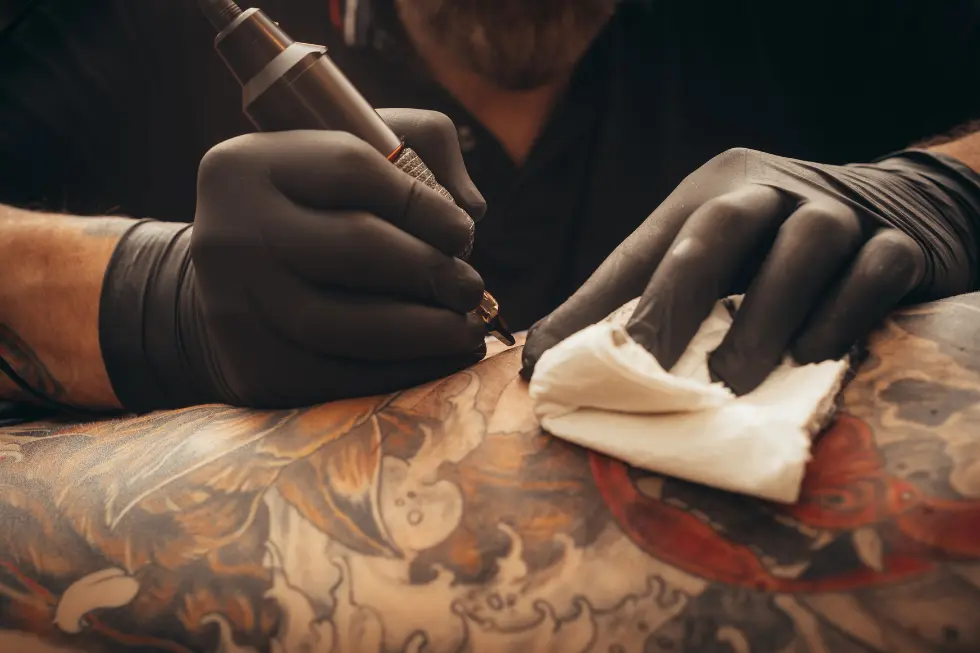
A tattoo touch-up refreshes the existing ink by adding vibrancy to faded areas, sharpening lines, and fixing minor imperfections without changing the original design. A rework, on the other hand, completely transforms your tattoo, whether through a cover-up or a major redesign, creating something entirely new over the old ink.
Did you know? One in four Australians now has at least one tattoo, up from 20% in 2018. As more Aussies get inked, understanding how to keep your tattoo looking its best becomes essential, especially considering that 34% of tattooed Australians regret their decision to some extent.
What Is a Tattoo Touch-Up?
Think of a tattoo touch-up as a refresh for your existing tattoo. Over time, even the best ink can lose some of its punch. Colours might fade, lines can blur, and that fresh ink appearance gradually softens. That’s where touch-ups come in.
A touch-up session involves going over the same design to restore colour vibrancy, sharpen any line work that’s become soft, fix areas that might be patchy, and breathe new life into your tattoo without changing its original look. This is part of maintaining any tattoo.
UV rays from sun exposure break down tattoo ink particles over time, causing your healed tattoo to fade. Whether you’ve got bold lines or fine line tattoos, proper aftercare and regular touch-ups can keep your ink looking fresh and vibrant.
Most skilled artists recommend getting a touch-up every 5-10 years, though there’s no strict timeline. How quickly your tattoo needs a touch-up depends on factors like sun protection, your skin type, and where the tattoo sits on your body.
What Is a Tattoo Rework?
A rework is when your tattoo artist goes beyond simple maintenance to completely change or reimagine your existing tattoo. This isn’t about refreshing what’s there; it’s about transforming it into something new.
- Cover-Ups: When you want to cover the old design entirely with a new tattoo, your new artist will create a design that conceals the old one, often using darker ink or bolder elements to make it look fresh. This is ideal for tattoos you no longer connect with.
- Major Redesigns: Sometimes the original work just needs a complete overhaul. Maybe your tattoo fading has left it unrecognisable, or perhaps you want to add significant new elements. A rework can make it look as good as new, or better.
Reworks might involve changing the tattoo completely, adding new elements that shift the entire design, working with old ink to create something totally different, or using laser removal to lighten areas before the new tattoo. The right artist for a rework needs great skill and expertise to work with existing ink and create something that looks intentional.
Tattoo Touch-Up vs Tattoo Rework: Key Differences
Let’s break down how these two options stack up:
Purpose:
- Touch-ups: Maintain and refresh your original tattoo
- Rework: Transform or completely replace your old tattoo
Design changes:
- Touch-ups: Keep the original design intact
- Rework: Create something new, either as a cover-up or major redesign
Complexity:
- Touch-ups: Straightforward process focusing on the existing ink
- Rework: May require multiple sessions and careful planning
When to choose:
- Touch-ups: When your tattoo still looks good but needs refreshing
- Rework: When you’re looking to erase or dramatically change your old design
When a Touch-Up Is the Right Choice
A touch-up might be all you need if your tattoo has minor fading, lines have softened over the years, you’ve got healing issues like patchiness, or you want to restore its original beauty. The original tattoo artist did solid work, but natural fading has occurred, and you want to keep your tattoo looking exactly as it did when fresh.
Most original artists offer free or discounted touch-ups within the first year. Tattoo touch-up costs are generally lower than reworks, and keeping your skin healthy with sunscreen reduces the need for frequent touch-ups.
When a Rework Is the Better Option
Consider a rework if you’ve outgrown the design and the old tattoo no longer reflects who you are, severe fading has occurred from sun damage or poor aftercare, the original work wasn’t of great quality, you want to cover an old design with a cover-up, or the tattoo completely needs laser removal first to lighten areas. Some cover-ups require multiple sessions before the new work begins.
Time & Session Comparison
- Touch-Ups: Usually completed in one session, taking 30 minutes to 2 hours, depending on size. You can typically get a tattoo touch-up done relatively quickly. The tattoo touch-up process is straightforward.
- Reworks: Often need multiple sessions spread over months. First session might focus on outlining or laser removal, while subsequent sessions build colour and detail. A complex cover-up might need 3-5 sessions, depending on the old ink. Both need proper aftercare between sessions, and you’ll need to wait for your tattoo to heal fully before the next appointment. Most artists recommend 6-8 weeks between sessions.
Healing & Aftercare Differences
Since a touch-up works with a healed tattoo, recovery is usually quicker than a new tattoo. Still, you’ll need to keep the area clean, apply proper aftercare ointment, avoid direct sun exposure during healing, keep your skin moisturised, and protect it from friction. The healing process typically takes 2-3 weeks as your layer of skin regenerates and fresh ink settles with good tattoo aftercare.
Reworks, especially cover-ups, can be more intense. The artist often works deeper, which means longer healing times (3-4 weeks), more attention to cleaning, strict sun protection, and watching for any healing issues.
Long-term care for both: Always use sunscreen (SPF 30+) on tattooed areas, moisturise daily to keep your ink vibrant, avoid prolonged sun exposure, stay hydrated, and consider your skincare routine and how it affects tattooed skin to achieve the best results.
How Tattoo Artists Decide the Best Option
When you visit Art n Soul or any reputable studio, your tattoo artist will assess the current condition of your ink (is the tattoo fading evenly, how well did your skin hold the original tattoo), your goals (do you want to keep your tattoo and simply refresh it, or something completely new), technical feasibility (can a touch-up achieve what you want, would a cover-up work), and your skin and placement (some areas of the body holds ink better, sun-exposed areas may fade faster).
A good artist will be honest about what’s achievable. Sometimes, a simple touch-up session is all you need to make tattoos look incredible again. Other times, achieving the best outcome requires a more comprehensive rework.
Your original tattoo artist knows the piece intimately. However, if you need a different style, finding a new artist who specialises in cover-ups or reworks might be necessary. Either way, choose someone with proven experience.
Conclusion
Ready to give your ink the love it deserves? Whether you need a simple refresh or a complete transformation, the skilled artists at Art n Soul can help.
Our team specialises in both touch-up and rework services, bringing years of experience to every session. We’ll assess your tattoo, discuss your goals, and create a plan that keeps your ink looking fresh for years to come. Don’t let your tattoo fade into the background. Book a consultation with Art n Soul today and discover how we can breathe new life into your tattoo or help you get a tattoo you’ll love even more.
Visit us or contact our studio to schedule your appointment.
Frequently Asked Questions
Is a touch-up enough to fix my tattoo?
If your tattoo just needs some colour refreshing or line sharpening, yes! A touch-up is perfect for minor fading and keeping your tattoo looking vibrant. However, if there’s major damage or you want significant changes, you might need a rework instead.
Can all tattoos be reworked?
Most tattoos can be reworked, but it depends on the density of the existing ink, the colours used, and the placement. Very dark or heavily saturated tattoos might need laser removal first to lighten them before a cover-up. Your artist will advise on the best approach.
Which option takes longer?
Touch-ups are typically done in one session. Reworks usually need multiple sessions spread over several months, especially if laser removal or complex cover-up work is involved.
Does a rework hurt more than a touch-up?
Reworks can be more intense since the artist often needs to work over already-tattooed skin with deeper needle penetration for cover-ups. That said, pain tolerance varies, and a good artist will work to make you comfortable.
How long should I wait before a touch-up or rework?
For initial touch-ups on a new tattoo, wait at least 6-8 weeks until it’s fully healed. For refreshing an old tattoo, there’s no minimum wait time; come in whenever you notice fading. For reworks, consult with your artist about timing, especially if laser removal is part of the plan.