

Getting a tattoo isn’t just about picking a design. It’s also about choosing the perfect spot on your body to bring it to life.
But let’s be real: not all placements are created equal. Some areas heal faster, some hurt like crazy, and others might not be the best choice if you want to keep your ink low-key.
Maybe you’re wondering which spots are the least painful. Or maybe you’re thinking about how your tattoo will look years down the road. Whatever’s on your mind, this guide will walk you through everything—from pain levels to healing time and aftercare—so you can choose the best tattoo placement with confidence.
Because a tattoo isn’t just art—it’s a commitment. Making the right choice now means loving your ink for a lifetime. At Art N Soul, we’re here to ensure your tattoo journey is as smooth and enjoyable as possible.
Tattoo Pain Levels: What You Need to Know Before You Ink
Let’s talk about pain—because if you’ve never been tattooed before, you might be wondering just how much it’s going to hurt. The truth? It depends entirely on where you get it.
The Least Painful Tattoo Placements
Some areas of the body are more forgiving when it comes to tattoo pain. Places with more muscle and fat tend to absorb the impact of the needle better, making the experience much more manageable. These include:
- Outer upper arm: One of the best spots for first-timers. Minimal pain and easy aftercare.
- Forearm: A relatively comfortable area with thick skin and fewer nerve endings.
- Calves: A good balance of fat and muscle makes this a lower-pain placement.
- Thighs: Both the outer and upper thighs offer plenty of cushioning, making the process smoother.
The Most Painful Tattoo Placements
Now, let’s get to the spots that might make you grit your teeth. If an area bruises easily or feels sensitive when pressed, it’s probably going to be more painful to tattoo. These areas include:
- Ribs: High on the pain scale due to the thin skin and lack of muscle cushioning.
- Spine: The bony nature of the spine makes it an intense experience.
- Ankles & Feet: Little fat means you’ll feel every bit of the needle’s work.
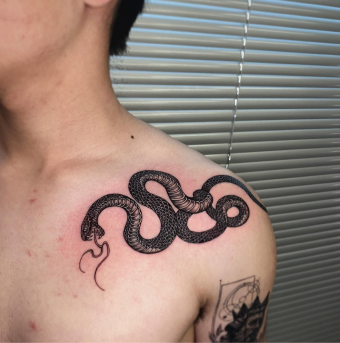
- Collarbone: Thin skin over bone equals high sensitivity.
- Hands & Fingers: While trendy, these spots are both painful and prone to fading.
Of course, pain is subjective—what stings for one person might be totally bearable for another. The tattoo artist plays a huge role too. A skilled professional, like the artists at Art N Soul, knows how to work with your body’s natural contours to make the experience as comfortable as possible.
How Tattoo Placement Affects Healing Time
Now that you know how much a tattoo might hurt, let’s talk about what happens after the ink settles in. Healing time varies depending on placement, and that’s something a lot of people don’t consider when planning a tattoo.
1. Fast-Healing Tattoo Placements
Some areas naturally heal faster because they don’t experience much friction, movement, or exposure. If you want a tattoo that heals quickly and retains its vibrancy with minimal issues, consider these locations:
- Upper Arm: This area has plenty of muscle and fat, making it a stable spot for tattoo healing. It experiences minimal stretching and is easy to keep clean.
- Back (Upper & Lower): The skin on the back remains relatively undisturbed, with little movement and minimal exposure to the elements.
- Calves: A great option for fast healing since it doesn’t experience as much movement or rubbing against clothing compared to other areas.
- Forearm: Though somewhat exposed, the forearm is an area that heals quickly due to minimal friction and the ability to apply aftercare easily.
2. Slow-Healing Tattoo Placements
Other placements require extra patience due to constant movement, exposure to the elements, or friction from clothing. If you choose one of these spots, be prepared for a longer healing time and possible extra care:
- Fingers & Hands: Hands experience frequent washing, exposure to dirt and bacteria, and high movement, all of which slow down healing.
- Elbows & Knees: These areas are constantly bending, which can cause scabbing to crack and prolong the healing process.
- Feet & Ankles: Shoes and socks cause friction, and walking puts pressure on the tattoo, making healing more difficult.
- Ribs: Because this area is frequently covered by clothing and experiences pressure when lying down, healing can take longer.
- Neck & Behind the Ear: Though a small area, frequent movement and exposure to sweat and sun can slow down healing.
The Role of Sun Exposure in Healing
Sun exposure also plays a huge role in how well your tattoo heals and ages over time. Consider these factors:
- Forearm & Foot Tattoos: These areas are out in the open more often, meaning they are more prone to fading if you don’t apply sunscreen regularly.
- Ribs, Thighs & Upper Back: These areas tend to stay covered, offering protection from UV rays and helping the tattoo maintain its vibrancy over time.
- Face & Neck Tattoos: Direct sun exposure can cause rapid fading, making sunscreen a daily essential.
How to Promote Faster Healing Regardless of Placement
No matter where your tattoo is, following these general healing tips will speed up the process and help you avoid complications:
- Keep your tattoo clean by washing it gently with fragrance-free, antibacterial soap.
- Apply a thin layer of recommended tattoo ointment to keep the skin hydrated without clogging pores.
- Avoid picking or scratching the tattoo—let the skin peel naturally.
- Stay hydrated and eat nutrient-rich foods to help your body repair skin cells more efficiently.
- Wear loose clothing over the tattooed area to prevent unnecessary irritation.
Tattoo Aftercare Tips for Different Placements
No matter where you get inked, proper tattoo aftercare is non-negotiable. But some placements require a little extra TLC. Healing times, aftercare routines, and long-term maintenance vary based on where your tattoo is located. To keep your ink looking fresh and vibrant for years to come, follow these placement-specific aftercare tips.
1. High-Movement Areas
Tattoos on the hands, fingers, elbows, and knees take longer to heal because they’re constantly in motion. These areas are in frequent use, leading to increased scabbing, potential fading, and prolonged healing time. If your tattoo is in one of these spots:
- Minimize movement as much as possible for the first few days to allow the skin to settle.
- Apply a thin layer of tattoo-safe moisturizer regularly, but avoid over-moisturizing, which can cause irritation or prolong healing.
- Be prepared for touch-ups since these areas naturally experience more friction and wear over time.
- Avoid strenuous physical activities that involve excessive bending or stretching in the tattooed area.
2. Sun-Exposed Areas
Tattoos on the arms, feet, neck, and hands are more prone to fading because they receive frequent sun exposure. UV rays break down tattoo ink over time, leading to dullness and loss of definition. To keep your tattoo vibrant:
- Apply SPF 50+ sunscreen every day, even after your tattoo has fully healed.
- Wear loose, breathable clothing to minimize direct sun exposure, especially during the healing process.
- Moisturize daily to keep your skin healthy and prevent premature fading.
- Avoid excessive sunbathing and tanning beds, as they can accelerate fading and cause skin damage.
3. Clothing-Irritated Areas
Tattoos on the ribs, lower back, thighs, and inner arms often experience irritation due to constant rubbing against clothing. Friction can slow down healing and lead to scabbing or patchy healing. To prevent complications:
- Wear soft, breathable fabrics like cotton or bamboo to reduce irritation.
- Avoid tight clothing, bras, or waistbands that press against the tattooed area.
- Try to sleep in a position that prevents unnecessary friction—for example, if you have a rib tattoo, avoid sleeping on your side.
- Be mindful of workout clothing; tight leggings or compression wear can rub against fresh tattoos and cause discomfort.
4. Water-Exposed Areas
Tattoos placed on the feet, ankles, hands, and wrists are often exposed to water due to daily activities like washing, sweating, or swimming. Excess moisture can slow healing and increase the risk of infection. To protect your new ink:
- Keep the tattoo as dry as possible in the first two weeks—limit hand washing or foot soaking.
- Avoid swimming pools, hot tubs, and long baths until the skin has fully healed.
- Pat the area dry gently instead of rubbing it after washing.
- Use antibacterial soap when washing to prevent infection while avoiding harsh scrubbing.
Tattoo Placement and Lifestyle: Visibility, Career, and Long-Term Considerations
Some placements are easier to cover up than others, which might matter if you work in a corporate setting or just prefer to keep your ink private.
- Discreet placements: Ribs, thighs, and upper back are ideal for those who want an easily concealed tattoo.
- Visible placements: Forearms, hands, and neck tattoos make a bold statement but require more upkeep.
- Work-friendly placements: If your career requires a professional look, consider spots that can be covered with clothing.
Longevity is another factor. Some placements naturally hold ink better than others. Tattoos on areas with thick skin, like the upper arm or back, tend to stay crisp for years. Meanwhile, places like the inner wrist, fingers, and feet may fade faster due to friction and exposure.
Tattoo Placement Ideas: Finding the Perfect Spot for Your Design
At the end of the day, tattoo placement is personal. Maybe you’re drawn to delicate ink on the wrist, or you want a bold statement piece on your thigh. Perhaps you’re thinking about a quote along your spine or a geometric design on your forearm.
The key is balancing aesthetics, comfort, and practicality. A great tattoo isn’t just about the design—it’s about how it flows with your body and fits into your lifestyle. That’s why choosing the right artist is just as important as choosing the right placement.
At Art N Soul, our talented artists take the time to understand your vision and offer guidance on the best placement for your tattoo. Whether it’s your first ink or your tenth, we ensure your tattoo complements your body and stands the test of time.
Ready to Get Inked? Visit Art N Soul Today!
Your perfect tattoo starts with the perfect placement. Let’s create something amazing together!