
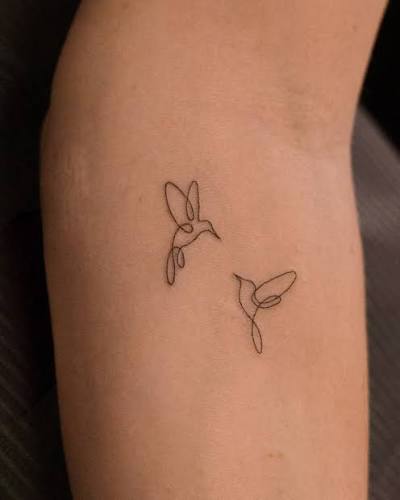
A small tattoo can be simple, personal and easy to live with, but small does not mean effortless. The design still needs enough space for its lines, lettering and details to remain clear. The best starting point is not a list of trendy pictures. It is an idea that can be shaped to your body, your preferred style and the way you want the tattoo to age.
We help clients turn a rough thought into a workable design. You might bring a symbol, a flower, a date, a pet reference or a few images that show the feeling you like. Our custom tattoo service in Adelaide can then help you decide what belongs in the piece and what needs to be left out.
What makes a good small tattoo idea?
A good small tattoo has a clear main subject and a composition that can be understood without relying on tiny decoration. Simple shapes, open space and a strong outline often translate better than a crowded miniature scene.
That does not mean every small tattoo must be plain. Fine line, colour, black and grey, traditional and realism approaches can all work at smaller sizes when the design is made for that scale. The visual language changes, though. A detailed reference may need to become a simplified interpretation rather than a smaller copy.
Start by asking what you want to notice first. If the answer is a face, a line of text and six surrounding objects, the idea may need more room or a clearer priority.
How small is too small?
There is no universal minimum size for every tattoo. A single symbol may remain readable at a size that would be unsuitable for a word, a flower with several petals or a portrait with facial detail. Line spacing, contrast and the number of elements matter more than a measurement chosen in isolation.
Our artists may recommend making the tattoo slightly larger, opening the gaps between details or removing information that will not survive at the intended scale. That advice protects the idea. It is better to have a clean, readable tattoo than to squeeze every part of a reference into a space that cannot support it.
Look at the proposed design at its actual size, not only on a phone screen. A stencil makes the decision more real because you can see how it sits on your skin and whether the detail still reads at an ordinary distance.
Which styles suit small tattoos?
Fine line can create a light visual result with thin, controlled marks. It suits some botanical designs, small symbols and restrained lettering, but it needs enough spacing and should be planned with softening over time in mind. You can read more about fine line and custom tattoos in Adelaide when comparing styles.
Traditional designs use bold outlines and clear shapes. A small traditional tattoo often works best when the subject is simplified, and the contrast remains strong. Black and grey can create depth without a full colour palette, while colour can make separate parts easier to distinguish when there is enough room.
Realism and micro realism require particular care at a small size. The more photographic the idea, the more likely it is to need additional scale. Ask what qualities can be retained rather than assuming a detailed image can simply be reduced.
Where should a small tattoo go?
The right placement depends on the design, visibility, movement, clothing, sun exposure and how the area behaves during healing. The forearm, upper arm, thigh and calf can offer workable space for many small pieces. Hands, fingers, feet and areas that experience regular friction may be less predictable and deserve a specific conversation.
You may also want the option to see or cover the tattoo. Think about work, sport, uniforms and how often the area receives sun. Placement is not only about where the tattoo fits today; it is about whether the design and your daily life make sense together.
Bring one preferred placement and one alternative to your consultation. Seeing the stencil in both locations can make the choice easier.
Should a small tattoo include lettering?
It can, but lettering needs room to remain legible. Thin scripts and tightly packed words may look beautiful in a reference image and become difficult to read when reduced. Spelling, punctuation and the shape of each letter all matter.
If the words are important, consider using fewer words, a more open type style or a larger size. Do not choose a font only because it looks delicate on a screen. Ask to see the actual wording at the proposed size and from a normal viewing distance.
Dates and initials can work well when the composition is clear. A long quote usually needs a different plan.
Can small tattoos use colour?
Yes, although colour needs contrast and enough space to remain distinct. A very small design with several pale shades may lose separation as the ink settles. Stronger blocks of colour or a black outline may make the subject easier to read.
Skin tone, placement, sun exposure and the surrounding collection all affect the conversation. Our artists can help you compare a colour version with a black and grey or fine line approach during a tattoo consultation in Adelaide.
How do small tattoos age?
Every tattoo changes as ink settles, skin renews, and lines gradually soften. Fine details can become less distinct when they begin close together, while a design with open space has more room to remain readable. Sun exposure and high-friction placements can also affect appearance over time.
A small tattoo should be designed with its future appearance in mind, not only the sharpness of the first photograph. That may mean simplifying a reference, increasing the size or choosing a placement that gives the design more support.
Follow the studio’s aftercare instructions while the tattoo heals. Once it is healed, protect exposed tattooed skin from unnecessary sun where practical.
What should you bring to your consultation?
Bring the idea, a rough size, your preferred placement and two or three references that show what you like. Explain whether it is the subject, line weight, colour, mood or composition that appeals to you. That gives the artist useful information without asking them to copy another tattoo.
Tell us if it is your first tattoo. There is no wrong question, and we welcome first-timers as well as people with a full collection. We will talk through what is workable, what may need changing and how the booking process works.
Use the Art n Soul enquiry form to send your idea and photographs before arranging the next step.
Frequently asked questions
Are small tattoos cheaper?
Size is one factor, but design detail, preparation, placement and time also affect a quote. Send the studio enough information to assess the actual piece rather than relying on a generic price.
Can I get a detailed portrait as a small tattoo?
A detailed portrait usually needs more room than a simple symbol or outline. The artist can explain which features can be retained and what scale will give the idea a fair chance of staying readable.
Are small fine line tattoos permanent?
Yes. Fine line tattoos can soften over time, but they are not temporary. Design, placement, technique, healing and sun exposure all affect how they settle.
What is the best placement for a small tattoo?
There is no single best placement. Consider the design, visibility, movement, friction, sun and your everyday clothing before choosing.
Can a small tattoo be covered later?
Sometimes, but a cover-up normally needs enough scale and contrast. If that possibility matters to you, mention it before the first tattoo is designed.
Can I bring a reference from another tattoo?
References are useful for communicating style and composition. Our artists will use them as a starting point and create a design suited to you rather than copying another artist’s work.
Do small tattoos need aftercare?
Yes. Follow the specific aftercare instructions provided by the studio and ask if you are unsure about healing.
How do I book a small tattoo consultation?
Send your idea, references, proposed placement and approximate size through the Art n Soul contact form. We will explain the next step.