
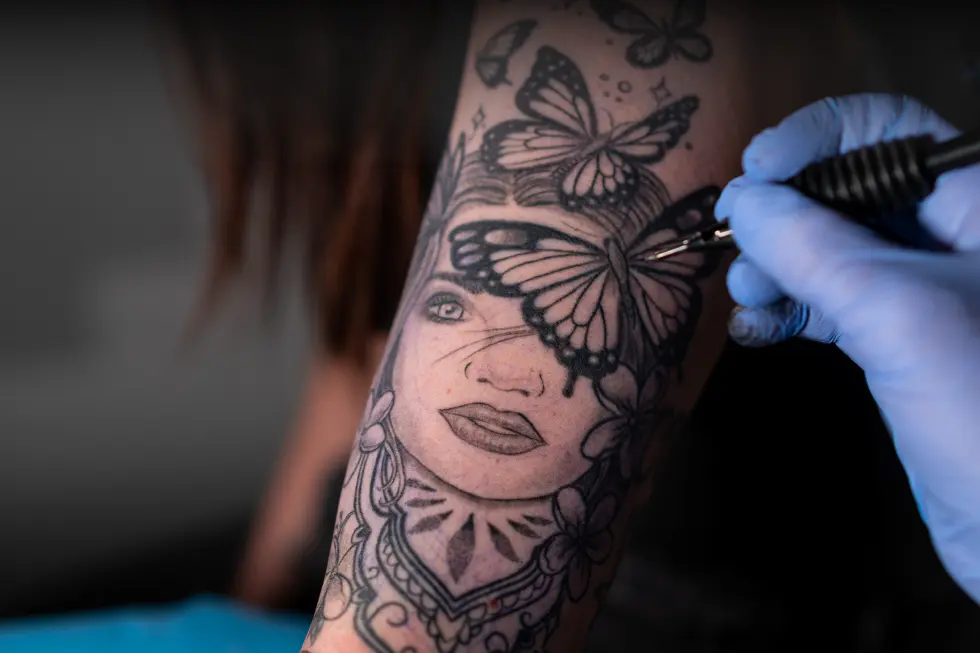
One in four Australians now has at least one tattoo, a record high, up from just 20% in 2018. From Prospect to Melbourne and everywhere in between, more people than ever are walking into tattoo shops and booking their first or fifth session. But here is what most people don’t think to ask before they sit down in the chair: Does my skin type affect how this tattoo will look, heal, and hold up over time?
The short answer is yes, it does. Understanding your skin type and how different skin types affect the tattooing process can make the difference between a tattoo that looks stunning for years and one that needs a touch-up sooner than expected. This article is your go-to guide, specifically written for clients at Art n Soul in Prospect who want to walk in prepared.
If you’ve read our companion article on skin tone and tattoos, this one covers something completely different. Skin tone is about melanin and colour selection. This article discusses skin types, including oily, dry, combination, and sensitive skin, and their impact on how your tattoo heals and ages.
Why Skin Type Plays a Role in the Tattoo Process
Tattoo ink is deposited into the dermis layer of the skin. The dermis contains connective tissue and immune cells that influence how ink particles remain suspended over time. Because skin is a biologically active tissue, differences in oil levels, hydration, and regeneration rates directly affect tattoo ink stability.
So the needle doesn’t just punch through the surface and stop there. What happens in the layers above and around the dermis absolutely matters for how well you heal and how vibrant the tattoo looks over time.
Here is a quick overview of how skin types affect the experience:
| Skin Type | Main Challenge | Key Tip |
| Oily skin | Excess sebum can blur fine details | Bold lines tend to hold better |
| Dry skin | Flaking during healing can pull ink | Moisturise consistently before and after |
| Sensitive skin | Redness and irritation last longer | Shorter sessions, fragrance-free aftercare |
| Combination skin | Varies by placement area | Artist adjusts technique accordingly |
| Normal skin | Generally, the most predictable canvas | Standard aftercare is usually sufficient |
| Sun-damaged skin / aging skin | Thinner, more delicate skin | Depth and technique need adjustment |
Every skin type can be tattooed. The team at Art n Soul in Prospect has worked on every skin type there is, and understanding your unique skin simply helps set realistic expectations and get optimal results.
Oily Skin and Tattoos: What to Expect Getting Inked
Oily skin requires careful consideration due to excess sebum production, which can blur fine details and cause ink spreading. If oily skin may seem like a disadvantage, there is good news, too.
How oily skin affects the tattooing process:
- Excess oil on the skin surface can make stencil application trickier, and your artist may need to clean the area more thoroughly before starting
- Oily skin can make it harder for ink to adhere to the skin because the oil can cause the ink to slide or not penetrate the dermis properly, which may lead to tattoos that appear faded or blurry over time.
- Excess sebum production also means that aftercare products, particularly ointments, may not absorb as readily
The upside of oily skin:
- Oily skin tends to stay naturally hydrated, which means less cracking and dryness during the healing process
- Oily skin may peel slightly faster.
Best approach for oily skin clients:
- Bold lines and saturated, solid work tend to retain ink better than ultra-fine micro tattoo styles
- Ask your tattoo artist about technique adjustments; experienced tattoo artists who regularly work on oily skin will adjust needle depth and pore-by-pore pressure accordingly
- Avoid heavy moisturisers during healing, as excess oil combined with product can slow things down
- Blot (don’t rub) the area gently if it feels overly wet during the first few days of healing
Dry Skin and Tattoos: Extra TLC for Better Healing
Dry skin often lacks the natural moisture that keeps healing skin supple. This is where proper aftercare becomes absolutely critical.
How dry skin affects healing:
- Dry skin poses challenges as it is less supple and can cause the needle to drag, resulting in inconsistent lines and patchy colour.
- Dry skin often flakes more heavily during healing, and aggressive peeling can pull pigment from the surface before it fully sets
- Dry skin can be more challenging to tattoo as it may not hold ink as well, and dry patches can cause uneven tattoo application.
How to give dry skin the best chance:
- Moisturise consistently in the week before your appointment, building up your skin’s hydration levels
- Keep the area hydrated during the healing process to ensure the tattoo heals well and stays vibrant.
- Use a fragrance-free, alcohol-free moisturiser suited to your skin type; nothing heavy, nothing that clogs
- Dry skin often benefits from a touch-up appointment more than other skin types, especially if the initial heal was patchy. Art n Soul offers a touch-up service for exactly this reason
Before your session:
- Drink plenty of water in the days leading up to your appointment
- Avoid the temptation to over-exfoliate; gentle is the goal
- Let your artist know your skin tends to run dry, so they can adjust their technique accordingly
Sensitive Skin and Tattoos: What to Tell Your Artist Before Starting
Sensitive skin is one of the more common concerns people raise at the consultation stage, and for good reason. Here is what you need to know.
Studies reveal that as many as 10% of people who get tattoos experience painful or itchy skin reactions, and about 6% have experienced a chronic reaction lasting longer than four months. For people with sensitive skin, the risk of heightened redness and irritation is worth discussing with your artist before a single needle touches your skin.
What sensitive skin looks like during and after a tattoo:
- Redness that lingers longer than in other skin types
- More visible swelling in the hours following the session
- A higher sensitivity to certain pigments, particularly red ink, which is the most common allergen across all skin types
- Sensitive skin is prone to redness, irritation, and allergic reactions. Tattooing on sensitive skin can cause swelling, itching, and irritation, leading to a prolonged healing period.
How to approach tattooing on sensitive skin:
- Always tell your tattoo artist before the session starts; this is not optional
- Hypoallergenic inks reduce the risk of irritation, and a gentle approach when tattooing helps avoid overstressing the skin.
- Shorter initial sessions allow the skin to be assessed for reactions before committing to a full piece
- Select aftercare products carefully: no heavy fragrances, no alcohol-based cleansers, and nothing with synthetic additives
Choosing the right artist matters:
Experienced tattoo artists are able to properly respond and adjust to different skin types to ensure the tattoo process goes smoothly and the result is beautiful. This is especially true for sensitive skin, where the right technique and the right aftercare advice together minimise complications significantly.
Tattooing Over Scarred and Sun-Damaged Skin: Special Considerations
Scarred skin, aging skin, and sun-damaged skin all fall into their own category. Thin skin and older skin are more delicate, and tattooing over scar tissue requires a different approach entirely.
Key points to know:
- Raised scars, keloid-prone skin, and stretch marks each respond differently to the needle
- Scar tissue has a different texture and density from regular skin, which affects how evenly the ink sits
- Thin or aging skin is delicate and prone to bruising, necessitating adjustments to depth and technique.
- Scars need to be fully matured, typically one to two years after forming, before tattooing over them
- Sun-damaged skin may have compromised elasticity, which can affect longevity and how well the ink retains over time
An in-person assessment is essential for any of these skin types. Photos don’t tell the full story, and no responsible tattoo artist should attempt to make a judgment call without actually seeing the skin.
How to Prepare Any Skin Type for the Best Tattoo Results
Regardless of your skin type, there are universal steps that give every client a better shot at a clean heal and a tattoo that looks great long-term.
In the week before your appointment:
- Hydrate well, both internally (drink water) and externally (moisturise daily)
- Exfoliate gently, once or twice at most; aggressive scrubbing irritates the skin
- Avoid sunburn on the area being tattooed; this is a non-negotiable
- Do not use active skincare ingredients like retinol or acids on the placement area
During the healing process:
- Follow the aftercare instructions your artist gives you; these are tailored to your skin
- Keep the area out of direct sunlight
- Resist the urge to pick or pull at any flaking; let it shed naturally
- Proper aftercare is not a suggestion. Ensuring proper aftercare is the single biggest factor you control once you leave the shop
Aftercare by skin type at a glance:
| Skin Type | Aftercare Priority | What to Avoid |
| Oily | Lightweight, non-comedogenic products | Heavy ointments |
| Dry | Consistent moisturising | Skipping applications |
| Sensitive | Fragrance-free, hypoallergenic products | Anything with alcohol or synthetics |
| Combination | Adjust by zone of the tattoo | One-size-fits-all products |
| Scarred / thin | Artist-specific guidance | Rushing the process |
Ready to Book? Talk to the Team at Art n Soul, Prospect
Understanding your skin type is genuinely one of the most useful things you can do before getting a tattoo. Every skin type has its own quirks, and every skin type can make informed decisions to get the most out of the experience.
The Art n Soul team in Prospect, Adelaide, has worked with clients of every skin type, from dry-as-dust South Australian winters to the oilier conditions that come with the warmer months. Just like clients from Melbourne and around the country who do their research before booking, the more you know when walking in, the better the result when walking out.
Mention your skin concerns at your consultation. The artists here will adjust their approach accordingly, recommend suitable aftercare, and give you real, practical guidance specific to your skin. That kind of personalised care is part of what makes the tattoo experience at Art n Soul worth the trip to Prospect.
Book your consultation or learn more about our services: Tattoo Service | Touch-Up Service
Frequently Asked Questions
1. Does oily skin affect tattoo results?
Yes, oily skin may cause fine lines to appear slightly softer and can make stencil adhesion trickier. Bold, saturated designs tend to hold better. Letting your artist know means they can adjust their technique from the start.
2. Can people with sensitive skin get a tattoo?
Absolutely. Sensitive skin just needs a bit more planning: shorter initial sessions, hypoallergenic inks where possible, and fragrance-free aftercare products. Always tell your artist before the session begins.
3. Why does dry skin affect tattoo healing?
Dry skin is prone to heavier flaking, and if the skin peels aggressively during healing, it can pull pigment with it, leading to patchy results. Consistent moisturising before and after the appointment makes a real difference.
4. How long should I wait to tattoo over a scar?
As a general guideline, scars should be fully matured, usually one to two years after forming, before being tattooed over. An in-person assessment is the only reliable way to determine whether the timing and placement are suitable.
5. Do different skin types affect how long a tattoo lasts?
Skin type is one factor in longevity, but sun exposure, placement, and aftercare tend to have the biggest impact on how a tattoo looks over time. Proper aftercare and keeping the tattoo out of prolonged UV exposure are the two things every skin type benefits from most.