
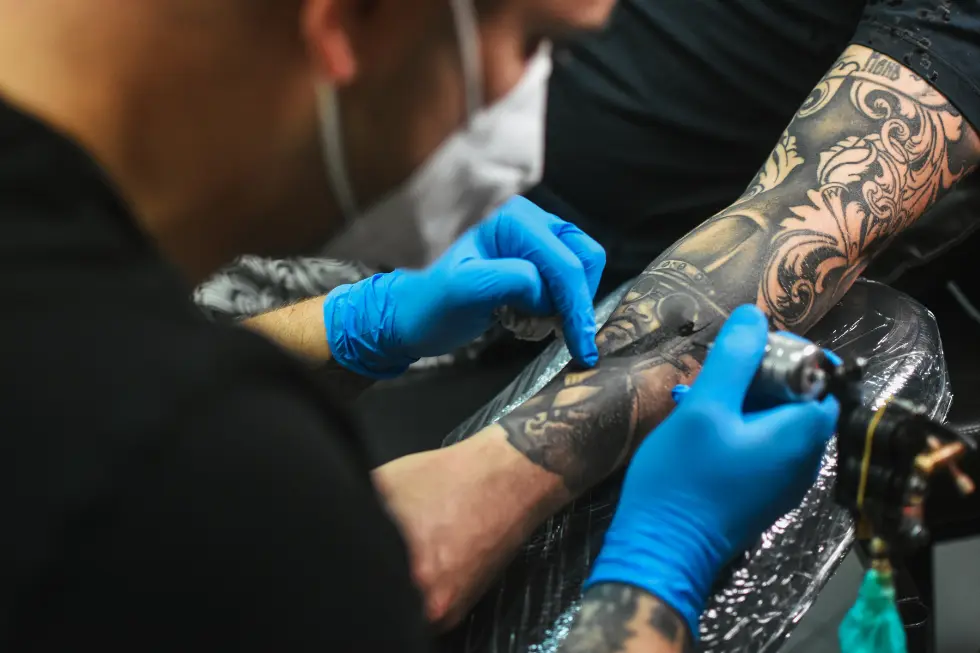
Planning a cover-up tattoo? The biggest mistakes people make include not consulting a specialist artist, choosing designs that won’t work with their old ink, rushing the process, and underestimating how much larger the new tattoo needs to be. These errors can lead to poor results and even more regret down the track.
If you’re sitting there staring at a tattoo you’d rather forget, you’re definitely not alone. Research shows that one in four Australians with a tattoo says they regret it to some extent, and that’s where cover-up tattoos come in. Whether it’s an ex’s name, a dodgy design from your younger years, or just something that doesn’t suit you anymore, covering an old tattoo can give you a fresh start.
But here’s the thing: cover-ups aren’t as simple as slapping new ink over old ink. They require careful planning, the right artist, and realistic expectations. According to industry data, 34% of Australians with tattoos experience some level of regret, and many of those people are looking at coverups as a solution. The last thing you want is to end up with a cover-up you regret just as much as the original.
So before you book that appointment, let’s talk about the most common mistakes people make when planning a cover-up, and how you can avoid them.
1. Not Consulting a Professional Cover-Up Artist
This is probably the biggest mistake you can make. Not every tattoo artist is skilled at coverups – it’s actually a speciality that requires specific expertise and creativity. A good artist who does amazing new tattoos might not have the experience needed to work around existing ink and transform it into something you’ll love for years.
When choosing an artist for your cover-up, you need someone with experience in this exact type of work.
- Look through their portfolio specifically for before-and-after examples of cover-up tattoos they’ve done.
- Do they specialise in the style you want?
- Have they successfully covered darker tattoos or heavy black ink?
What to look for when choosing the right artist:
- A strong portfolio showing successful cover-up work
- Experience working with dark tattoos and various ink colours
- Honest communication about what will and won’t work
- Artists who specialise in styles that work best for coverups (like blackwork, tribal, or heavy shading)
At Art n Soul, our experienced tattoo artists understand the unique challenges of covering existing tattoos and can guide you through the whole process with realistic expectations.
2. Choosing the Wrong Design for a Cover-Up
You can’t just pick any design you like and expect it to work as a cover-up. The old ink underneath will always exist, and some designs simply won’t be able to mask the old tattoo properly. This is where compromise and creativity come into play.
Lighter designs with lots of fine detail or pastel colours usually won’t work over dark existing tattoos. The old one will show through, and you’ll end up with a muddy mess. Instead, you need to choose a new design that can incorporate or camouflage what’s already there.
Designs that work best for cover-ups:
- Bolder designs with solid blacks or darker colours
- Pieces with lots of shading and depth
- Designs that use the old tattoo’s placement to create new focal points
- Blackwork, Japanese style, or pieces with heavy coverage
A skilled tattooist will know how to work around the limitations and create a new piece that seamlessly covers what’s underneath. Sometimes this means adjusting your original vision, but trust the process – they know what won’t work.
3. Underestimating the Size Needed for a Cover-Up
Here’s a reality check: your cover-up will almost always need to be bigger than your existing tattoo. That’s just part of the process. To properly conceal the old ink, the new design needs to extend beyond the original borders – usually by at least 20-30%.
Thinking you can cover a large back piece with something the same size? It won’t happen. The new tattoo needs enough canvas to hide all those existing lines and colours. If you’re not willing to go bigger, you might need laser tattoo removal sessions first to lighten the old ink.
Before committing, have an honest chat with your artist about sizing. They’ll assess your old tattoo and let you know realistically how large the new piece needs to be. If you’re unsure about going bigger or concerned about placement on your body, consider whether covering is really the best option – sometimes laser removal or a combination approach makes more sense.
4. Ignoring Colour Limitations of Existing Tattoos
Let’s talk colour theory for a second. You can’t cover darker ink with lighter ink – it just doesn’t work that way. If your old tattoo has lots of black ink or dark colours, you’ll need a design that uses equally dark or darker pigment to cover it properly.
Black and grey tattoos are easier to work with when it comes to covering because you can cover darker shades with fresh black. But colours? That’s trickier. You can’t put yellow over black and expect it to show up. Blues and greens can sometimes work over faded ink, but bright colours over dark tattoos create restriction in what you can achieve.
Colour cover-up realities:
- Dark colours can only be covered by equally dark or darker colours
- Black ink is the most reliable choice to mask old ink
- Lighter colours like yellow, white, or pastels won’t cover dark tattoos
- Some old tattoos may need laser sessions to fade them before colour can be added
This is exactly why consultation with someone with experience is so important. They’ll assess what colours will realistically work with your existing tattoo.
5. Expecting a One-Session Cover-Up
If you’re thinking you can walk in, get your cover-up done in one sitting, and walk out with a perfect new piece, you might need to adjust those expectations. While some smaller coverups can be done in one session, most require multiple appointments.
Cover-ups often require more time than regular tattoos because the artist needs to carefully work around and over the existing ink. Larger pieces, complex designs, or particularly dark old tattoos will definitely need several sessions. Between each session, you need to let your skin heal properly – usually 4-6 weeks minimum.
Patience is part of the process. Rushing through sessions or not allowing proper healing time can compromise the quality of the work and affect how well the new ink covers the old. Good things take time, and a quality cover-up is worth the wait.
6. Rushing the Design & Planning Process
Got tattoo regret from rushing into your first tattoo? Don’t make the same mistake twice. The design and planning stage of a cover-up is crucial – take your time with it.
According to research on tattoo regret, 29% of people who impulsively got a tattoo spent less than one hour planning it. Don’t be that person again. Your cover-up deserves proper thought and planning.
Work closely with your artist during the design phase. They might need to create several concept sketches before landing on something that works perfectly. Be open to their suggestions – they understand what’s technically possible and what will give you the best results.
Questions to discuss during consultation:
- Will the design you want actually cover the old ink?
- Do you need a laser to lighten the existing tattoo first?
- How many sessions will it realistically take?
- What’s the healing process like between sessions?
Take your time. Think it through. Make sure you absolutely love the new design before committing.
7. Trying to Re-Cover Without Proper Assessment
Sometimes people have already tried to cover a tattoo once, and now they’re looking to cover the cover-up. If that’s you, things just got more complicated. You’ve now got multiple layers of ink to work around, and each layer adds to the difficulty.
Before attempting another cover-up, you absolutely need a proper assessment from an experienced artist. They’ll need to know what was there originally, what was added in the first cover-up attempt, and what’s realistically possible now. In many cases, laser tattoo removal becomes necessary at this point to lighten some of that layered ink.
Be completely honest with your artist about the history of your tattoo. Show them everything. The more they understand about what they’re working with, the better they can plan something that’ll actually work.
8. Not Considering Placement & Body Movement
Your skin moves, stretches, and changes over time. Where your tattoo sits on your body matters – especially when it comes to cover-ups that might be larger than the original.
If your cover-up needs to be significantly bigger to work properly, think about how that placement will look and how it might be affected by body movement or changes. Will it extend onto areas that wrinkle, stretch, or change shape? How will it look when you move?
Some body areas are trickier for cover-ups. Ribs, elbows, knees, and other joints can be challenging because the skin there moves so much. Discuss placement thoroughly with your artist – they’ll know what works best in different areas.
9. Choosing Price Over Quality
Look, we get it – tattoos aren’t cheap, and cover-ups can be even more expensive. But this is not the place to bargain hunt. Choosing an artist based on who’s cheapest rather than who’s best qualified is a recipe for disaster.
You’ve already got one tattoo you regret. Do you really want to risk ending up with another one because you went with the budget option? Quality cover-up work requires skill, experience, and time – and that comes at a fair price.
Research shows that 69% of people who regret their tattoo say they did not research the artist beforehand. Don’t make that mistake again. Do your homework, look at portfolios, read reviews, and be prepared to invest in quality work.
Think of it this way: you’re going to wear this piece of art for the rest of your life. It’s worth paying for an artist who can create something you’ll genuinely love for years to come, rather than saving a few bucks and ending up back where you started.
10. Skipping Aftercare Planning
So you’ve got your cover-up done – brilliant! But your work isn’t finished yet. Proper aftercare is essential to ensure your new tattoo heals well and the ink stays vibrant. This is especially important with cover-ups, where you’ve got more ink saturation than a regular new tattoo.
Skipping aftercare or not following your artist’s instructions can lead to infection, poor healing, colour fade, and a compromised final result. After putting in all that time, effort, and money, don’t blow it by not looking after your skin properly.
Essential aftercare steps:
- Keep the tattoo clean and moisturised as directed
- Avoid sun exposure while it heals
- Don’t pick at scabs or peeling skin
- Follow healing timelines before your next session
- Contact your artist if you notice any issues
If you’re doing a multi-session cover-up, each session needs to heal completely before the next one. Typically, you’ll need to wait at least 4-6 weeks between appointments. Don’t rush this – proper healing is crucial for the best results.
Ready to Transform Your Tattoo Regret into Something Beautiful?
If you’re ready to cover up that old tattoo and want to do it right this time, Art n Soul is here to help. Our experienced artists specialise in cover-up work and will work with you to create a piece you’ll be proud of. We’ll give you honest advice about what’s possible, whether you need laser first, and how to get the best results.
Book a consultation with our team and let’s chat about transforming your old ink into something new. We’ll take the time to understand what you’re after and create a custom design that covers your existing tattoo beautifully. Don’t settle for another regret – let’s create something you’ll love.
Frequently Asked Questions
Can any tattoo be fully covered?
Not every tattoo can be completely covered without some help. Very dark, heavily saturated tattoos might need a few laser removal sessions first to lighten the ink. The good news is that most tattoos can be covered with the right design and a skilled artist. It just depends on the size, colour, and darkness of your old ink.
Do cover-up tattoos hurt more than new tattoos?
Cover-ups can be a bit more uncomfortable because the artist often needs to work the ink more deeply and thoroughly to mask what’s underneath. Plus, if there’s scar tissue from your old tattoo, that area might be more sensitive. But everyone’s pain tolerance is different – what hurts for one person might be fine for another.
How long should I wait before covering an old tattoo?
If your old tattoo is fully healed (which takes about 6-8 weeks after getting it), you can technically cover it anytime. However, if you’re considering laser to lighten it first, you’ll need to complete those sessions and wait for healing before the cover-up work begins. Your artist will advise on the best timeline.
Are colour tattoos harder to cover?
It depends on the colours. Darker colours like black, deep blue, or dark green are easier to cover than bright colours. Really vibrant or light-coloured tattoos can sometimes be trickier and might require laser sessions to fade them first, especially if you want a cover-up with lighter tones.
Can a cover-up tattoo fade faster?
Cover-ups can sometimes fade a bit faster than regular tattoos if they’re not done properly or if aftercare isn’t followed. Because cover-ups often use more ink and heavier saturation, proper healing and sun protection are crucial. A quality cover-up by a skilled artist, with proper aftercare, should last just as long as any other tattoo.