
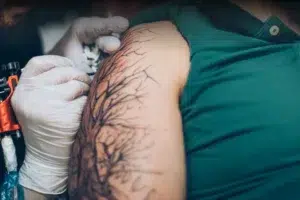
Does laser tattoo removal hurt? It can, although the sensation and recovery vary with the person, tattoo and treatment area.
Laser tattoo removal is a common option for people who want to fade or remove a design they no longer feel good about. It is not a one-session fix, and it is not always a simple process. The total treatment depends on several things, including the size of the tattoo, the ink colours used, how deep the ink sits and how much fading the client wants.
This is why the laser tattoo removal cost in Adelaide is often discussed in broad terms rather than a single flat figure. The treatment plan usually needs to be tailored to the tattoo itself. A small black tattoo is usually less involved than a larger multicolour design, and the total number of sessions can vary significantly.
The most important thing to understand is that laser tattoo removal usually takes multiple sessions. Over time, the laser breaks down the ink so the body can naturally remove it. Some tattoos fade quickly, while others take longer depending on the density of the ink and how the skin responds.
What affects the cost
There are a few key factors that influence laser tattoo removal cost Adelaide. The size of the piece matters, as does the number of colours and how difficult the ink is to break down. The location of the tattoo also matters because some areas of the body are easier to treat and heal more comfortably than others.
The age of the tattoo can also make a difference. Older tattoos may fade more easily than newer ones, while some inks are harder to remove than others. A consultation is usually the best way to understand what a realistic treatment plan looks like for a specific design.
How many sessions are usually needed
Most people need several sessions before they see the level of fading they want. The exact number depends on the tattoo and the goal. A patient may want a soft fade before a cover-up, or they may be aiming for complete removal. Those are different treatment paths and the sessions can vary accordingly.
This is why a realistic conversation matters. It is better to understand the process and the likely number of treatments before starting than to expect a single appointment to do everything.
Is it painful?
Pain levels vary from person to person. Many people describe the sensation as similar to a hot rubber band snapping on the skin, while others find it more manageable. The level of discomfort often depends on the area being treated, how large the tattoo is, and the individual’s pain tolerance.
It is also important to remember that the skin may feel sore or sensitive after the session. That is a normal part of the healing process and should be factored into the decision before booking. If you are weighing whether a cover-up might be a better option, our cover-up tattoo service and tattoo services are the best places to compare the practical options.
Recovery and aftercare
Laser tattoo removal requires some care after each session. The treated skin can be red, tender or slightly swollen, and it needs to be protected while it heals. This is why aftercare matters just as much as the treatment itself.
It is also a good idea to plan around sun exposure and heavy exercise. The tattooed area should be kept clean, protected and not irritated while it heals.
If you are considering removal, a tattoo parlour in Adelaide can talk through the process, expected number of sessions and what might work for your specific design.
So, does laser tattoo removal hurt?
Yes, it can be uncomfortable, but the intensity and description vary widely. Treatment area, tattoo density, device, session length and individual sensitivity all affect the experience. A qualified provider should explain comfort measures and risks for your skin rather than promising a painless session.
When someone asks us, “does laser tattoo removal hurt more than tattooing?”, we explain that they are different experiences and that the removal provider should discuss comfort measures.
| Factor | How it may affect the experience |
| Placement | Thin or sensitive areas may feel sharper |
| Tattoo density | Dense pigment can require more laser work |
| Session size | Larger areas mean longer exposure |
| Skin condition | Irritated or unhealed skin should be assessed first |
| Cooling method | Provider-controlled cooling may help with comfort |
Questions to ask a removal provider
Art n Soul does not offer laser tattoo removal. When comparing external providers, ask about their training, the device used, eye protection, expected skin response, aftercare, complications and who to contact if healing is not normal.
Avoid choosing solely based on a very low advertised price or a promise of complete removal in a fixed number of sessions. Ink colour, depth, density, location and individual response all matter.
Removal versus fading for a cover-up
You may not need every trace removed. Selective fading can give a new design more room, particularly where dark blocks or heavy lines restrict the cover-up. The removal provider manages the laser treatment; our role begins when the skin has healed and we can judge the remaining pigment.
For a cover-up consultation, bring clear photographs and references showing the direction you like. Be open to changes in size, placement and subject. A successful cover-up is designed around the old tattoo, not placed over it as if the skin were blank.
Give the skin enough time
Do not tattoo over skin that is still red, tender, blistered or changing after laser. Follow the removal provider’s aftercare and return-to-treatment advice. Seek medical care for worsening pain, spreading redness, pus, fever or other concerning symptoms.
Talk to us about the tattooing option
If your main question is whether new work could give you a result you prefer, call Art n Soul on (08) 8269 6383. Our tattoo cover up artist service in Adelaide can assess cover-up or rework possibilities. We will be clear when fading may create a better design, and equally clear that laser treatment is not performed at our Prospect studio.
How to plan around discomfort and healing
Ask the removal provider how long the appointment may take, what cooling or numbing options are clinically suitable, and what normal skin changes look like afterwards. Arrange clothing that does not rub the area and avoid booking immediately before swimming, heavy sun exposure or an event where the site cannot be protected.
Pain during treatment is only one part of the decision. Tenderness, swelling, blistering or crusting may occur afterwards, and the provider should explain what is expected and what needs review. Do not pop blisters or apply unapproved products.
Factors that affect the whole removal plan
- black and some dark pigments may respond differently from bright colours
- professional and amateur tattoos can have different ink depth and density
- circulation and body location may influence clearance
- layered or previously covered tattoos can be more complex
- Skin tone and medical history affect assessment and laser settings
- The goal may be partial fading rather than complete removal
These factors are why a fixed session promise is not useful. The provider should reassess progress and skin response over time.
If pain is your main reason for avoiding a cover-up
A cover-up is still tattooing, so it involves the familiar tattoo sensation and may take longer or cover a larger area than the original. We can discuss placement, size, breaks and session planning, but we do not describe any tattoo as pain-free.
The more useful comparison is not “which option hurts less?” in isolation. It is which route moves you toward the result you want, with risks and recovery you understand. Some people prefer several short laser appointments before a cover-up; others choose a direct rework. The existing ink decides much of what is possible.
Frequently asked questions
1. Is numbing cream always suitable?
Ask the laser provider before applying anything. Products, timing and skin condition can affect treatment, and “more” is not automatically safer.
2. Does a small tattoo hurt less?
It usually means a shorter treatment area, but location, density and individual sensitivity still matter. Size alone cannot predict the sensation.
3. Can I get a cover-up straight after laser?
No. The skin needs to heal and settle, and the tattoo artist needs to assess the remaining ink. Follow both providers’ timing advice.
4. Does Art n Soul recommend several laser sessions?
No. We do not provide laser removal and cannot prescribe a treatment course. We can explain how much fading may improve a proposed cover-up once the skin is suitable to assess.