
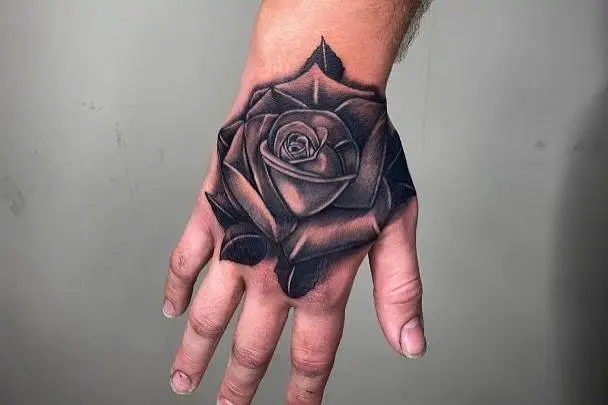
Tattoo colour correction may improve areas that have faded, healed unevenly or shifted in appearance, but it cannot simply return every tattoo to the way it looked on day one. The artist has to assess the existing pigment, linework, skin, design and reason the colour changed before recommending more ink.
When you show us a tattoo for colour correction, we look at what is still working as carefully as we look at what has changed. Our aim is not to put more ink everywhere. It is to work out whether a focused adjustment, a broader rework or no further tattooing will give you the best result.
For colour correction tattoos Adelaide clients are considering, the most useful first step is our clear assessment rather than choosing a new colour from a screen. Sometimes a focused correction is appropriate. Sometimes the design needs a broader rework, and sometimes the skin should be left alone or reviewed by a health professional first.
What does tattoo colour correction mean?
Colour correction is work intended to rebalance, strengthen or adjust colour already present in a tattoo. It may involve restoring contrast, improving a patchy area, changing the relationship between colours or reworking part of the design so the existing pigment makes visual sense.
It is not the same as placing fresh colour on untouched skin. The artist is working with pigment that remains in the skin, existing outlines and the space available. New colour can interact visually with what is already there, and lighter ink does not behave like opaque house paint over a dark wall.
The term also differs from a routine touch-up. A touch-up may address small areas that did not settle evenly after a recent tattoo, subject to the studio’s policy. Colour correction often involves an older or more complex problem requiring new design decisions.
We offer tattoo touch-ups and colour correction from our Prospect studio. We will need to see your tattoo before confirming whether that service fits what you want to change.
Why tattoo colour changes
All tattoos settle and age. The degree and pattern vary with the ink, technique, body area, skin, healing, friction, ultraviolet exposure and time.
Some colours may appear less vivid after the initial healing period because the fresh surface has settled. An area that healed poorly can lose pigment unevenly. Years of sun exposure can reduce contrast. Fine details may soften as the skin changes naturally.
The original design matters too. Colours with little contrast can become harder to distinguish from one another. Very small areas may not have enough separation to remain visually clear. A correction should address the design relationship, not just add saturation.
Do not assume fading means the original tattoo was performed badly. Age, care, placement and individual response all contribute. The assessment should remain factual rather than turning the appointment into criticism of another artist.
Let the tattoo finish healing first
A new tattoo can look cloudy, dull, dry or uneven while it heals. That does not automatically mean it needs correction. Working on skin before it has recovered can interfere with healing and make the result harder to assess.
Follow the instructions from the artist who performed the tattoo. If you are concerned about infection, an allergic reaction, significant swelling or another health issue, seek appropriate medical advice rather than booking more tattooing over the area.
Once healing is complete, take photographs in natural light and send them to us. We can then advise whether an in-person assessment is needed and when the skin may be suitable for further work.
Can faded colours be made brighter?
Often, colour and contrast can be refreshed, but “brighter” is not a single technical action. The artist may strengthen selected areas, deepen surrounding tones or adjust outlines so the existing colour reads more clearly.
The remaining pigment sets limits. A light colour may not visibly cover a darker one. Adding more of the same shade may not solve a contrast problem. The artist may recommend a slightly different palette that works with the tattoo rather than chasing an exact digital colour.
Screens are unreliable references for ink colour because brightness settings and photography change appearance. Bring examples to explain your preference, then assess physical colour options with the artist.
Individual results vary, and no responsible artist can promise that an aged tattoo will look identical to a fresh reference photograph.
Can one colour be changed into another?
Some shifts are more practical than others. Moving towards a deeper or related colour may be possible where the existing pigment and design allow it. Changing a dark, saturated area to a much lighter colour is far more limited.
The artist also has to consider neighbouring shades. Altering one section can make the rest of the tattoo feel unbalanced, which may lead to a recommendation for a wider rework.
Ask the artist to explain what the existing colour contributes to the proposed result. A good plan uses what is already there. It does not pretend the old tattoo is a blank surface.
If a complete colour change is not realistic, the alternatives may include adding depth, changing background elements, moving towards black and grey in selected areas, or redesigning the composition. Those options depend on the specific tattoo.
What if the outline has also softened?
Colour correction cannot be planned separately from linework. If outlines have spread, faded or become inconsistent, strengthening the colour alone may draw more attention to the issue.
The artist may recommend refining selected edges, adding contrast or simplifying details. Not every old line should be retraced. Making all outlines heavier can change the character of the design and leave too little negative space.
Photographs should show the full tattoo and close-up detail. The wider view helps the artist judge composition, while the close view shows line and pigment condition.
Where scar tissue or significant texture is present, an in-person assessment is particularly important. Skin condition affects what can safely and effectively be done.
Colour correction versus a cover-up
Colour correction aims to improve or rebalance the existing tattoo. A cover-up uses a new design to conceal much or all of it. A rework sits somewhere between, retaining recognisable parts while changing the overall design.
The least extensive option is not automatically the best. A small correction can look awkward if the underlying design no longer works. Equally, a full cover-up may be unnecessary when the structure remains strong and only selected areas need attention.
We provide tattoo, cover-up and touch-up services. During the assessment, we decide which approach fits rather than forcing the work into a label chosen online.
We do not provide laser tattoo removal. We may explain that external lightening could expand the design options in some cases, but you would need to arrange that service elsewhere.
How skin tone affects colour planning
Tattoo colour is viewed through healed skin, so the same pigment can appear different from one person to another. Existing pigment and skin tone both matter during correction.
An experienced artist should discuss contrast and palette without suggesting that one skin tone is a problem. The goal is to choose a design that reads well on the individual, not to make broad promises from a colour chart.
Sun exposure, tanning and temporary changes in the skin can also affect how the tattoo looks at an assessment. Avoid deliberately tanning the area before the appointment, and tell the artist about recent irritation or products used there.
Never try to bleach or abrade the skin to change the tattoo. That can cause injury and will not provide a safe surface for tattooing.
Adelaide sun and long-term colour
Ultraviolet exposure affects skin and can contribute to fading. This is especially relevant for tattoos on regularly exposed areas in Adelaide.
During healing, follow the artist’s specific advice and keep the area away from direct sun as instructed. After the tattoo is fully healed, use a broader sun-protection approach including clothing, shade and appropriate sunscreen.
Sun protection cannot freeze a tattoo in time, but it is a practical part of caring for the skin and reducing avoidable ultraviolet exposure.
What photographs should you send?
Send one image showing the entire tattoo and several close photographs of the areas that concern you. Use indirect natural light where possible. Avoid filters, flash glare and colour correction in the phone’s editing tools.
Include an older photograph if it shows how the tattoo looked previously. Tell the studio when it was done, whether it has been touched up before and how the colour changed.
If the tattoo wraps around an arm or leg, take views from several angles. A single front image can hide half the design and lead to an incomplete initial opinion.
Photographs help the studio decide the next step, but they may not replace seeing skin texture, scarring and colour in person.
What happens during the assessment?
The artist will look at the tattoo’s age, pigment, saturation, linework, skin condition, scale and composition. They will ask what you want changed and which parts you still like.
Be specific about the problem. “This red section became patchy after healing” is easier to assess than “make it look new”. If a colour has never looked right to you, explain whether the concern is hue, contrast or uneven coverage.
The artist may propose a direct correction, a broader rework or no tattooing at that time. They should explain limitations and avoid guaranteeing an exact outcome.
Ask us how many sessions may be involved, how you will approve the design and how we quote the work. We will explain the costs and current booking terms after assessing the tattoo and the change you want.
Choosing an Adelaide artist for correction work
Look for examples of healed colour, reworks and touch-ups where the studio has permission to show them. Fresh photographs alone do not show how a correction settled.
Pay attention to whether the artist speaks respectfully about existing work. You should be able to discuss what bothers you without feeling judged for the tattoo, the original decision or the person who made it.
Technical honesty is a positive sign. An artist who says a requested change is not realistic is protecting the design and your skin, not refusing to help.
We have worked in Adelaide since 2012 and welcome you whether this is your first tattoo or your fiftieth. We match each correction enquiry with an artist only after we have seen the existing work and understood what you want changed.
Ask for a colour correction assessment
If your tattoo is fully healed, collect clear photographs and note when the colour changed. For colour correction tattoos Adelaide, clients can send those images to us before arranging an assessment. Do not add home treatments or more ink before we have seen the existing work.
With colour correction tattoos Adelaide artists need to assess the existing pigment in person before confirming what can realistically be adjusted.
To discuss colour correction tattoos in Adelaide, call us on (08) 8269 6383 or send us clear photographs through our touch-up and colour correction service. You will find us at 230 Prospect Road, Prospect.
Frequently asked questions
1. Can white ink cover a dark tattoo?
White does not behave like opaque paint over a dark surface. An artist must assess the pigment and design before explaining what is realistic.
2. Can a fresh tattoo be colour corrected immediately?
Tattooed skin needs to heal before the settled result can be assessed. Contact the original artist and seek medical care for any health concern.
3. Is colour correction the same as a touch-up?
Not always. A touch-up may address small healing gaps, while colour correction can involve a broader palette or design change.
4. Can another artist correct my tattoo?
Potentially. Share the history honestly and allow the new artist to decide whether the work suits their skills and approach.
5. Will corrected colour last permanently?
Tattoo pigment remains in the skin, but appearance changes with healing, ultraviolet exposure, body area, ageing and other individual factors. No exact appearance can be guaranteed indefinitely.