
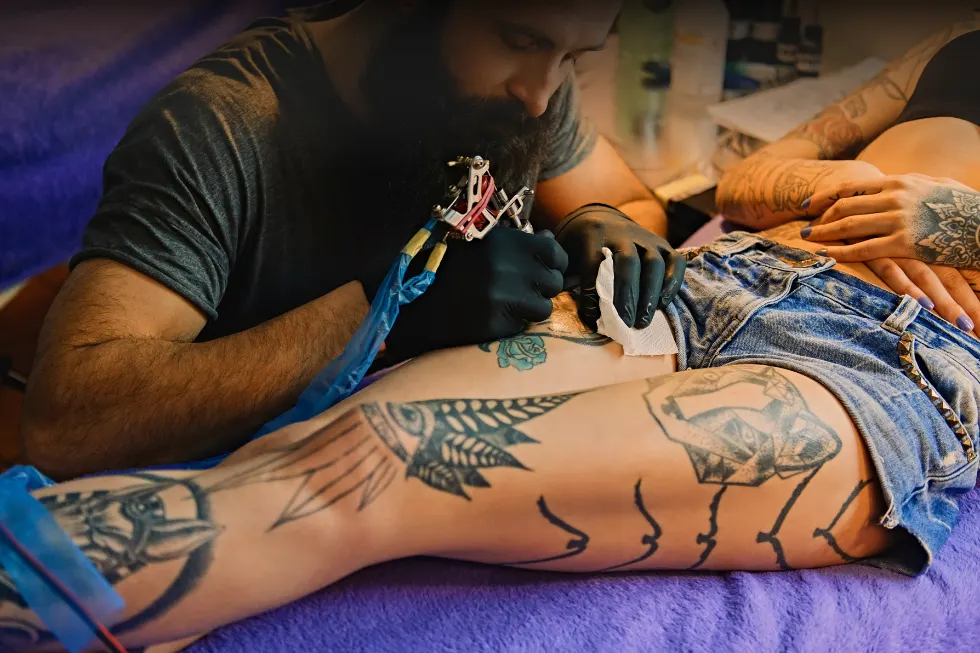
Tattoos are becoming one of the most popular ways Australians express themselves. One in four Australians now has a tattoo, a record high, up from just one in five in 2016. But getting a tattoo is only half the story. The real question most people forget to ask before they sit in the chair is: how will this look in ten, twenty, or even thirty years?
If you want your ink to age well and stay sharp long after it heals, there are a few things worth knowing before you book. Whether you are getting your first tattoo or adding to an existing collection, this guide is designed to help you make choices you will actually love for the long haul.
Tattoos are a way to celebrate personal milestones, express identity, and carry meaning on your skin every day. But not every tattoo holds up over time the same way, and that gap mostly comes down to a combination of factors: the artist, the design, the placement, and how you look after it. Let’s break it down.
Why Some Tattoos Age Better Than Others: The Ink and Artist Behind Every Piece
Ask any experienced tattoo artist in Adelaide and they will tell you the same thing: the quality of the ink and the skill of the person holding the needle matter more than anything else.
UV radiation penetrates the outer layer of skin and breaks down pigment particles embedded deeper in the dermis, triggering an immune response that gradually carries fragmented ink away from the tattoo site. That is the science behind why tattoos fade over time. But not all ink breaks down at the same rate.
What affects how your ink holds up:
- Type of ink used: Carbon black resists sun damage better than any other standard tattoo ink, while azo pigments used in reds, oranges, and yellows are chemically unstable under sustained UV light.
- High-quality inks: Professional studios that use reputable, high-quality inks give your tattoo a much stronger foundation from the start.
- Tattooing techniques: How deep the ink is placed matters. Too shallow and it fades fast, too deep and it blurs. An experienced tattoo artist with proper training knows exactly where that sweet spot is.
- Line work precision: Bold, clean line work holds its structure far longer than delicate lines packed close together.
The difference between a tattoo that still looks amazing at fifteen years and one that has faded into a blur often comes down to choosing the right tattoo artist from the beginning. Choosing the right tattoo artist is not just about aesthetics, it is about trusting someone who understands the long game. Studios in Adelaide, Melbourne, Sydney, and across South Australia are seeing more clients asking specifically about longevity, and that is a smart shift in thinking.
If you want a tattoo that holds up over time, book a consultation with an artist before committing to a design. Talk through your ideas, ask to see healed work (not just fresh photos), and ask what tattoo ink brands they use.
Design Choices That Affect Longevity: Tattoo Styles, Colour, and Complexity
Not all tattoo styles age the same way. This is one of the most honest conversations a good artist should be having with every client, and we need to be honest with you about it here too.
Tattoo Styles That Age Gracefully
Blackwork tattoos, with their high contrast and design simplicity, tend to maintain their visual impact even as the tattoo ages. Black and grey styles also age gracefully, often looking more refined as the skin changes over time.
Here is a quick comparison of how different tattoo styles hold up:
| Tattoo Style | Longevity | Why |
| Black and grey | Excellent | Minimal colour means less fading, detail shading stays refined |
| Traditional / Neo-trad | Excellent | Bold outlines and high contrast keep designs readable |
| Blackwork | Very good | High contrast and simplicity maintain visual impact |
| Fine line tattoo | Moderate | Requires precise placement and careful aftercare |
| Watercolour | Lower | No bold outlines, prone to fading faster |
| White ink | Lowest | Fades quickly, especially in Australian sun |
Flash tattoos are another popular choice, and because they are typically designed with bold lines and balanced shading, many of them age well when done by a skilled artist.
What About Fine Line Tattoos?
Fine line work is beautiful, and yes, it can age gracefully when done correctly. But there are some real considerations. Fine line tattoos typically maintain their optimal definition for several years, depending on placement, skin type, and aftercare. Over time, fine lines are prone to some spread, causing them to appear slightly softer, and very thin parts may eventually fade completely.
According to the 2025 Australian Tattoo Insights Report, 67% of minimalist tattoo clients notice fading within two years. That does not mean avoid fine line tattoos, it means go in with realistic expectations and choose your artist carefully. A fine line tattoo done by someone who does not specialise in that style will age much faster than one done by an artist who works in it every day.
Design Complexity and Colour
- Tattoos with high contrast (dark against light) stay visually sharp longer
- Black ink outlines act as anchors that hold a design together as it softens
- Shading done well adds dimension that holds up even as skin ages
- Overly packed, tiny details are the first thing to blur as the skin matures
- Design complexity should be balanced with the size of the piece, a full sleeve can carry more detail than a wrist tattoo
Placement and Lifestyle Factors: Where You Put It Matters as Much as What You Get
You can have the most beautifully executed custom design in the world, but if it is sitting on the wrong spot on your body, it will not age the same way.
Best and Worst Placements for Longevity
Placement and size work together. Larger pieces on stable areas of the body tend to stay sharp, while small tattoos on high-movement zones struggle.
| Placement | Longevity | Reason |
| Upper arm, shoulder | High | Less friction, lower sun exposure |
| Calf, thigh | High | Stable skin, less UV exposure |
| Ribcage, back | High | Minimal daily wear |
| Wrist tattoo | Moderate | Regular washing and sun exposure |
| Fingers, hands | Low | Constant friction and washing |
| Feet | Low | Rubbing against footwear daily |
Areas with less friction and minimal sun exposure, like the inner arm, ribs, and upper thigh, are ideal placements for designs intended to last, while high-friction areas like fingers, hands, and feet will fade faster due to constant movement and rubbing.
Lifestyle Factors That Affect Your Tattoo
Beyond placement, your everyday habits play a big role in how a tattoo will look over the years. Your tattoo’s appearance can shift significantly based on these factors:
- Sun exposure: This is the single biggest cause of fading. Sun exposure is the number one cause of premature tattoo aging, responsible for around 50 to 70 percent of damage. In Australia, we are lucky to have so much sunshine, but that same UV exposure accelerates ink degradation faster than most places on Earth.
- Skin type: Oily skin is more likely to cause ink migration or blurred lines, thin or mature skin is prone to faster fading, and sensitive skin may have a longer healing period.
- Going outside without protection: If you are regularly in the sun without covering your tattoo, you will expect to see fading within a few years.
- Weight changes and skin changes: As your body and skin ages, tattoos shift and stretch. This is normal, but it is worth factoring in when thinking about placement and design.
- Occupational exposure: People who work outdoors or wash their hands constantly (healthcare workers, tradies) need to plan their tattoos accordingly.
Melbourne and other major cities have seen a big surge in clients asking about these lifestyle factors during consultations, and Adelaide is no different. The more informed you are going in, the better the long-term result.
Maintaining Your Tattoo for Years to Come: Aftercare, Sun Protection, and Touch Ups
Here is where you actually take control of how your tattoo ages. A good artist sets you up with a strong foundation, but what you do after you walk out the door determines how well your tattoo holds up over the next decade and beyond.
The Healing Phase Comes First
The healing process is critical. When a tattoo heals properly, the ink settles correctly into the skin, and this directly affects how it looks long-term.
Essential tips for the healing phase:
- Keep your new tattoo clean and moisturised as directed by your artist
- Avoid soaking in water (pools, baths, the ocean) until fully healed
- Do not pick or scratch at peeling skin
- Keep it out of direct sunlight completely while it heals
Once your tattoo heals, the real long-term care routine begins.
Sun Protection: The Most Important Aftercare Step
Living in Australia means dealing with some of the strongest UV rays on the planet. Protecting your ink from the sun is the single most effective thing you can do to prevent fading and keep your tattoo looking fresh for years.
Consistent SPF 50+ sun protection can extend the life of a tattoo by ten to fifteen years.
Simple care routine to keep your tattoo looking fresh:
- Apply SPF 50+ sunscreen every time you are going outside
- Cover up with clothing when extended sun exposure is unavoidable
- Moisturise daily to keep the skin hydrated and the ink vibrant
- Use fragrance-free, gentle aftercare products on tattooed skin
- Avoid prolonged UV exposure, especially between 10am and 3pm
When to Book a Touch Up
Even the best tattoos will soften and mellow over the years. That is not failure, it is just how skin works. A tattoo touch up Adelaide appointment can bring faded lines back to life, refresh colours, and tighten up any areas that have spread over time.
Most artists recommend checking in for a touch up every five to ten years depending on your skin type, the style of the tattoo, and how well you have protected it. Some tattoos, particularly fine line and watercolour styles, may benefit from earlier touch ups.
Think of a touch up the same way you think of maintenance on anything you value. You would not run a car for twenty years without a service. Your tattoo is no different.
If you are considering a touch up or want a professional assessment of your existing work, come in and chat with the team at Art n Soul. Our artists specialise in both new work and bringing older pieces back to their best. You can also read more about tattoo touch up care in our guide to tattoo aftercare and browse our custom tattoo gallery for design inspiration.
For anyone thinking about getting your first tattoo, or anyone who has been wondering about laser tattoo removal as an option for older work, the best first step is always a conversation with a reputable tattoo studio. Get the facts, get the right advice, and make a choice you feel good about.
Frequently Asked Questions
- What tattoo styles age the best?
Black and grey, traditional, and blackwork tattoos tend to age the best. They rely on bold lines and high contrast, which holds up well as skin naturally changes over time. - Does a fine line tattoo age well?
Fine line tattoos can age well with the right placement, artist, and aftercare, but they require more care than bolder styles and may need touch ups sooner. - How do I prevent my tattoo from fading?
Apply SPF 50+ sunscreen every time you go outside, moisturise daily, and avoid prolonged sun exposure. Proper aftercare during healing also plays a big role in how well tattoos stay looking sharp. - How often should I get a tattoo touch up?
Most tattoos benefit from a touch up every five to ten years, though fine line and watercolour styles may need attention sooner depending on placement and skin type. - Does skin type affect how a tattoo ages?
Yes, oily skin can cause ink to spread slightly, while thinner or more mature skin may see faster fading. Your tattoo artist can advise on the best design and placement for your specific skin.