
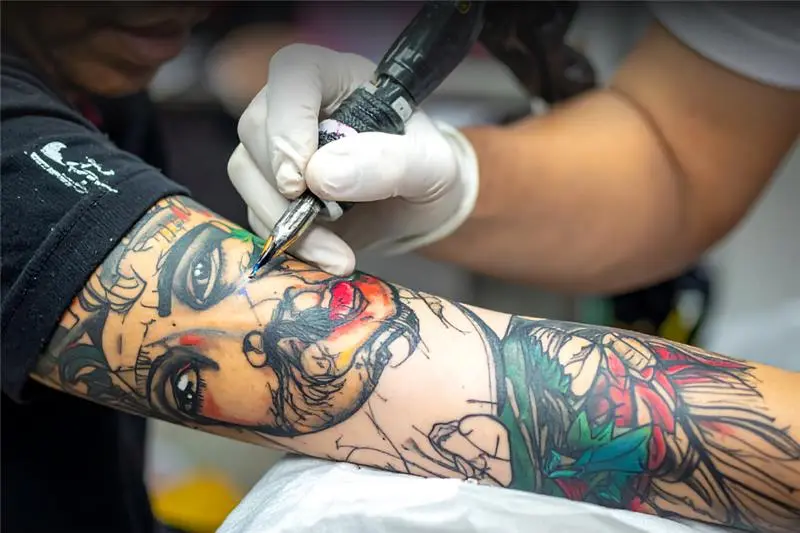
Most tattoos need touch-ups every 1 to 10 years, though frequency varies significantly based on tattoo placement, style, and aftercare practices. Research shows that 1 in 5 Australians has at least one tattoo, making proper tattoo care increasingly important. While fine-line work on hands or feet may need a touch-up within 1-2 years, bold designs on protected areas can remain vibrant for a decade. At Art n Soul, we understand that maintaining your tattoo’s appearance requires knowing when your ink needs professional attention.
What Is a Tattoo Touch-Up?
A tattoo touch-up is a cosmetic tattoo procedure where your original tattoo artist revisits existing tattoo work to restore vibrancy, sharpen details, and correct any fading that has occurred over time. Unlike getting a new tattoo from scratch, touch-ups specifically target areas where ink has faded, lines have blurred, or colours have dulled.
During a touch-up session, your tattoo artist carefully assesses parts of your tattoo that need attention. They may darken faded areas, redefine blurred lines, or restore colour saturation to keep your tattoo looking fresh. This touch-up process is less extensive than the initial tattoo session, though proper tattoo aftercare is still essential for healing.
The best tattoo studios, like Art n Soul, often guide when to consider a touch-up based on how your specific design has aged. Some artists even offer complimentary or reduced-rate touch-up work within the first year, recognising that the healing process can affect ink retention.
Factors That Affect How Often Tattoos Need Touch-Ups
Understanding tattoo touch-ups starts with recognising that multiple factors influence how often you need to refresh your ink. Let’s explore what determines whether tattoos need touch-ups frequently or can go years between sessions.
1. Tattoo Style
The tattoo design you choose significantly impacts the need for frequent touch-ups. Fine-line tattoos, delicate script, and intricate details in your tattoo fade faster than bold, traditional designs with thick lines and solid ink saturation. Watercolour tattoos and cosmetic tattoo work also tend to lose vibrancy more quickly than traditional black ink pieces.
At Art n Soul, we’ve observed that high-quality tattoo work with proper ink saturation during the initial tattoo session requires fewer touch-ups over time. Tattoos with minimal shading or very light colours need more frequent maintenance compared to designs using darker, more saturated pigments.
2. Tattoo Placement
The location of the tattoo is one of the most critical factors in determining touch-up frequency. Tattoos on areas experiencing constant friction, like hands, feet, fingers, and elbows, fade significantly faster than tattoos on the back, thighs, or upper arms.
Sun exposure also varies by placement. A tattoo on your forearm receives far more UV exposure than one on your ribs or inner bicep. UV rays break down tattoo ink pigments, with 95% of UV rays reaching Earth’s surface being UVA rays that penetrate deep into the dermis, where your ink resides.
Tattoos in areas that experience frequent movement or stretch regularly, such as knees or shoulders, may also need a tattoo touch-up sooner than tattoos in more stable locations. When getting a tattoo, discuss placement with your Art n Soul artist to understand long-term maintenance expectations.
3. Skin Type & Age
Your skin type plays a crucial role in how your tattoo ages. Oily skin tends to push out ink more readily, potentially causing faster fading. Dry skin, meanwhile, may result in uneven healing during the initial healing process, creating a need for a touch-up once the tattoo is fully healed.
Age matters too, both yours and your tattoo’s. As skin naturally loses elasticity and regenerates more slowly with age, older skin may not retain ink as effectively as younger skin. Similarly, a faded tattoo that’s decades old will show more wear than a fresh tattoo from last year.
The healing process itself varies by individual. Some people’s skin accepts ink beautifully during the initial tattoo work, while others experience more ink rejection, necessitating touch-up work sooner. Understanding how your skin responds to tattoo ink helps you know about tattoo maintenance needs.
4. Aftercare & Sun Protection
Proper tattoo aftercare and ongoing tattoo care are absolutely essential to ensure that your tattoo remains vibrant. The first few weeks after getting a new tattoo set the foundation for how well your ink will age. Following your Art n Soul artist’s instructions regarding cleaning, moisturising, and protecting your tattoo during the healing process is critical.
Long-term sun protection is equally important. Research on tattoo sun damage confirms that UV exposure without protection guarantees fading. Even when your tattoo has fully healed, and the tattoo is healing no longer a concern, daily sunscreen application (SPF 30 or higher) can dramatically extend the time between touch-ups.
Using quality tattoo aftercare product options recommended by your tattoo studio and keeping your skin moisturised allows your tattoo to maintain its appearance far longer than neglected ink. Regular moisturization keeps skin healthy and helps ink look vibrant. The tattoo touch-up aftercare routine following a refresh is similar to caring for your original tattoo.
Signs Your Tattoo Needs a Touch-Up
Knowing when to get a touch-up requires paying attention to how your tattoo changes over time. Here are clear indicators that tell if your tattoo needs professional attention:
- Significant Colour Fading: If you notice your tattoo’s colours appear washed out or significantly lighter than the original tattoo, it’s time for a tattoo touch-up. Black ink may turn greyish, while vibrant colours fade faster than darker shades. This tattoo fading is particularly common in tattoos with frequent sun exposure.
- Blurred or Fuzzy Lines: Sharp lines can blur as tattoo ink spreads slightly under the skin, particularly problematic when severe. If fine details in your tattoo have become less defined or the tattoo looking crisp has become the tattoo looking faded, a touch-up session can restore clarity.
- Uneven Ink Distribution: Sometimes during the healing process, certain areas don’t retain ink as well as others. You might notice the entire tattoo has patches where the colour seems to disappear or looks thinner. This often affects high-friction areas and might need a touch-up to restore consistency.
- Loss of Vibrancy: When comparing current photos to when you first got your tattoo, significant dulling indicates it’s time for a tattoo touch-up. An old tattoo that once popped with colour but now looks flat can benefit from touch-up work to make your tattoo look fresh again.
At Art n Soul, our experienced artists can assess whether your existing tattoo would benefit from a touch-up or if it’s still in good condition. We recommend having your tattoo evaluated annually to catch fading early, making touch-ups less extensive and keeping your tattoo looking great.
How Often Should You Get a Touch-Up?
The frequency of tattoo touch-ups varies considerably based on the factors discussed above. Here’s a general guide to tattoo touch-up frequency:
- Initial Touch-Up (4-6 months): Even with perfect execution, most tattoos benefit from an initial touch-up once the tattoo is fully healed, typically within the first 4-6 months. This allows your tattoo artist to fix any areas where ink didn’t settle optimally during the tattoo healing period. Many studios, including Art n Soul, offer complimentary first touch-ups to ensure your tattoo looks perfect.
- Regular Maintenance (1-2 years): For tattoos in high-exposure areas or those featuring fine details, a touch-up every 1-2 years helps maintain vibrancy. This frequency is particularly important for tattoos on hands, feet, or areas receiving significant sun exposure despite protection efforts.
- Moderate Touch-Ups (3-5 years): For the average tattoo with good aftercare, touch-ups every 3-5 years are sufficient. Well-placed tattoos on protected areas like the upper back, thighs, or ribs may not require attention this frequently.
- Long-Term Maintenance (5-10 years): Bold, well-protected tattoos may go 5-10 years before needing significant touch-up work. However, even these tattoos benefit from professional assessment to address any subtle fading before it becomes pronounced.
Remember, whether tattoos need touch-ups depends entirely on your unique situation. Your Art n Soul artist can provide personalised guidance based on your tattoo’s characteristics, your lifestyle, and how your skin has responded to the ink over time.
Maximising Time Between Touch-Ups
Want to extend the life of your tattoo and reduce the need for frequent touch-ups? Follow these essential practices:
- Sun Protection: This cannot be overstated; UV rays are the primary cause of tattoo fading. Apply broad-spectrum SPF 30+ sunscreen to your tattoo whenever it’s exposed to daylight. Reapply every two hours when outdoors. Cover tattoos with clothing during peak sun hours when possible, and avoid tanning beds entirely, as concentrated UV exposure accelerates fading dramatically.
- Moisturise Regularly: Keep your skin hydrated year-round to maintain elasticity and skin appearance. Healthy, moisturised skin holds ink better than dry, damaged skin. Use fragrance-free moisturisers to avoid irritation and keep your tattoo and skin in optimal condition.
- Choose Quality Artists: Investing in an experienced, reputable tattoo artist from Art n Soul reduces touch-up frequency from the start. High-quality tattoo work with proper technique and ink saturation simply ages better than inferior work.
- Follow Aftercare Instructions: The tattoo touch-up process effectiveness depends partly on how well you cared for your original tattoo. Proper initial healing sets the foundation for longevity. Always wait until the tattoo has fully healed before assessing if touch-up work is necessary.
- Stay Hydrated: Overall skin health affects how your tattoo ages. Drinking adequate water and maintaining a healthy lifestyle contribute to better skin quality, which helps preserve your tattoo over time.
Touch-Up Costs and Timing
While we can’t provide specific pricing (costs vary significantly based on tattoo size, complexity, and studio), understanding the tattoo touch-up costs structure helps you budget appropriately. Many studios, including Art n Soul, offer complimentary or significantly discounted rates for the first touch-up within 6-12 months. This acknowledges that initial healing sometimes requires minor corrections.
For subsequent touch-ups, pricing typically reflects the amount of work required. A minor touch-up addressing small areas costs less than refreshing an entire tattoo. Some factors affecting touch-up costs include:
- Size of the area needing attention
- Complexity of the touch-up process
- Whether you’re returning to the original tattoo artist
- How much time has passed since the initial tattoo session
- The extent of fading or correction needed
When scheduling your touch-up session, choose fall or winter when sun exposure is minimal. Fresh touch-up work needs protection from UV rays during healing, making cooler months ideal. This timing means you’ll be fully healed and ready to show off your refreshed ink by summer.
Always return to your original tattoo artist for touch-ups when possible. They know your piece intimately, understand the ink and techniques used, and can often provide better results than an unfamiliar artist working on someone else’s tattoo art.
Special Considerations
- New Tattoos: Never attempt a touch-up until the tattoo is completely healed, typically 4-6 weeks minimum, though full healing can take up to 6 months depending on size and placement. Premature touch-ups can cause infection, scarring, and poor results. Wait until the tattoo gets past all peeling, scabbing, and inflammation.
- Colour vs. Black Ink: Colour tattoos generally fade faster than black ink pieces, particularly lighter shades. Yellows, pinks, and pastels need more frequent attention than blacks, deep blues, and dark greens. However, even black tattoos aren’t immune to fading and benefit from periodic touch-ups to maintain their original intensity.
- Lifestyle Factors: Your daily activities affect how often tattoos need touch-ups. If you work outdoors, swim frequently, or engage in activities causing friction on tattooed areas, expect more frequent maintenance needs. Conversely, indoor workers with minimal sun exposure may extend the time between touch-ups significantly.
- Tattoo Style Evolution: Sometimes, people choose touch-up every few years, not because of fading but to update or enhance their tattoo design. This is perfectly valid; your tattoo should evolve with you. Discuss enhancement options with your Art n Soul artist to make your tattoo reflect your current aesthetic preferences.
Conclusion
Ready to bring your tattoo back to life? Art n Soul specialises in everything you need to know about tattoo touch-ups and maintenance. Whether you need to refresh a fading design, sharpen blurred lines, or simply assess if your tattoo needs a touch-up, our experienced artists provide honest, professional guidance.
Don’t wait until your tattoo has faded significantly; proactive touch-ups are easier and more effective than trying to restore heavily damaged ink. Schedule a consultation with Art n Soul today to discuss your tattoo care needs. We’ll evaluate your tattoo’s current condition, explain the touch-up process, and create a personalised maintenance plan to keep your tattoo looking fresh for years to come.
Visit Art n Soul to speak with our expert tattoo artist for touch-ups and learn how to properly care for your investment. Your tattoo deserves professional attention. Let us help you maintain its beauty.
Frequently Asked Questions
Do all tattoos need touch-ups?
Not necessarily. While most tattoos benefit from touch-ups eventually, well-executed designs on protected body areas with excellent aftercare can remain vibrant for many years. However, all tattoos experience some degree of natural fading over time.
Are tattoo touch-ups free?
Many studios offer complimentary first touch-ups within 6-12 months to address healing inconsistencies. After this period, touch-ups typically incur charges, though often at reduced rates compared to new tattoo work.
Can old tattoos always be touched up?
Most old tattoo designs can be successfully refreshed, though heavily faded or sun-damaged pieces may require more extensive work. In some cases, laser tattoo removal or a cover-up might be recommended over a simple touch-up. Consult with Art n Soul to assess your options.
How soon is too soon for a touch-up?
Touch-ups should never occur until your tattoo is fully healed, a minimum 4-6 weeks, ideally 3-6 months. Attempting touch up a tattoo before complete healing risks infection, scarring, and poor ink retention.
Can touch-ups fix blown-out tattoos?
Touch-ups can sometimes minimise the appearance of minor blowouts by adding strategic shading or line work. However, severe blowouts may require laser tattoo removal or cover-up work rather than simple touch-ups. Your artist will assess whether a touch-up might help or if alternative solutions are necessary.